

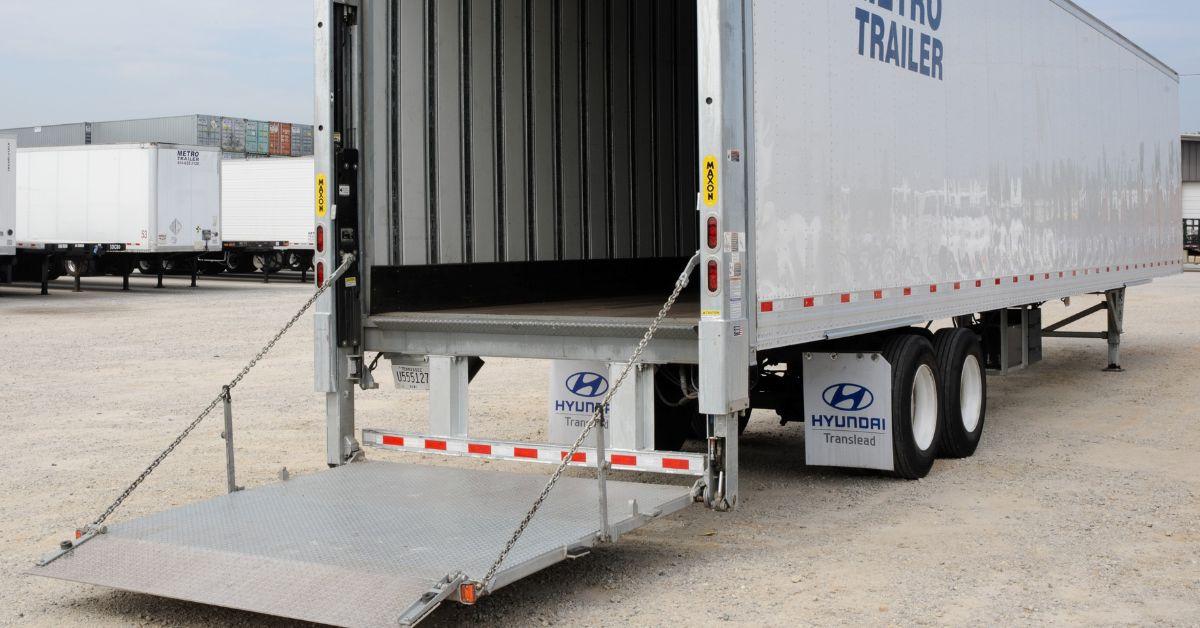
Why Dry Van Trailers Are Ideal for Long-Haul Shipping
Logistics managers and fleet operators must constantly evaluate the most efficient methods to move goods across the country. While flatbeds and refrigerated units have their specific uses, the dry van trailer remains the standard for a reason. It serves as the backbone of the North American freight industry, hauling the vast majority of consumer goods. For long-haul shipping specifically, where cargo spends days or even weeks on the road, the dry van offers a combination of security, efficiency, and affordability that specialized trailers cannot match.
Understanding why dry van trailers are ideal for long-haul shipping helps businesses make smarter logistics decisions. Whether moving electronics, clothing, or non-perishable food items, the dry van proves itself as the superior option for long-distance transport.
They Offer Unmatched Protection for Cargo
The primary concern during long-haul shipping is the safety of the freight. Goods often travel through changing weather patterns, varying climates, and diverse road conditions. A dry van trailer provides a fully enclosed, rigid container that shields shipments from the outside world.
Security also remains a top priority for high-value loads traveling hundreds of miles. The rigid walls and lockable doors of a dry van deter theft effectively. Drivers can secure the cargo area with heavy-duty padlocks and seals, ensuring that no one accesses the freight until it reaches the destination dock. For companies shipping electronics, pharmaceuticals, or luxury goods, this physical security is nonnegotiable.
They Handle Diverse Freight Types With Ease
Versatility defines the dry van trailer. These units accommodate almost any type of non-perishable freight, making them the go-to solution for general commodities. A single dry van might carry automotive parts on one trip, textiles on the return, and furniture on the next. This flexibility simplifies logistics planning for long-haul routes, as dispatchers do not need to search for specialized equipment for every load.
The interior design of a standard dry van contributes to this adaptability. Most trailers feature E-track systems or wooden logistics posts that allow drivers to secure cargo at various points. This flexibility means the trailer remains useful regardless of the specific contract or cargo type. It maximizes the utility of the asset and keeps the truck moving, rather than waiting for a specific type of load that matches a specialized trailer.

They Reduce Shipping Costs Significantly
Cost control drives decisions in long-haul logistics. Dry van trailers offer a distinct financial advantage over refrigerated trailers or specialized heavy-haul equipment. Because dry vans do not require active temperature control systems, they cost less to manufacture, maintain, and operate. This lowers the cost per mile for the carrier and, subsequently, the shipper.
Weight also plays a role in cost efficiency. Dry vans generally weigh less than refrigerated trailers due to the lack of insulation and cooling machinery. A lighter trailer allows the carrier to load more freight before hitting the federal gross vehicle weight limit of 80,000 pounds. For shippers moving heavy, non-perishable items like paper products or beverages, this extra payload capacity translates to fewer trips and lower overall shipping expenses.
Furthermore, the abundance of dry vans in the market creates competitive pricing. Since most trucking companies operate large fleets of dry vans, shippers can usually find capacity at competitive rates, even during peak seasons. The sheer volume of available equipment helps stabilize rates and prevents the price spikes often seen with specialized trailer types.
They Simplify Loading and Unloading Operations
Efficiency at the loading dock directly impacts the speed of long-haul shipping. Dry van trailers adhere to standardized dimensions that match loading docks across North America. The deck height aligns perfectly with warehouse bays, allowing forklifts to drive directly into the trailer. This drive-in capability speeds up the loading and unloading process significantly compared to side-loading a flatbed or maneuvering freight into a specialized container.
The structural integrity of the dry van floor supports heavy forklift traffic, allowing crews to turn trailers around quickly. In long-haul logistics where drivers operate under strict hours of service (HOS) regulations, saving an hour at the dock can be the difference between making a delivery on time or having to lay over for another day.
Drop-and-hook operations also rely heavily on dry vans. In this model, a driver drops a full trailer at a facility and immediately hooks up to a pre-loaded one to continue their journey. This eliminates the need for the driver to wait while the cargo is loaded or unloaded. Because dry vans are standardized and interchangeable, they facilitate these seamless transitions, keeping freight moving and maximizing driver productivity.
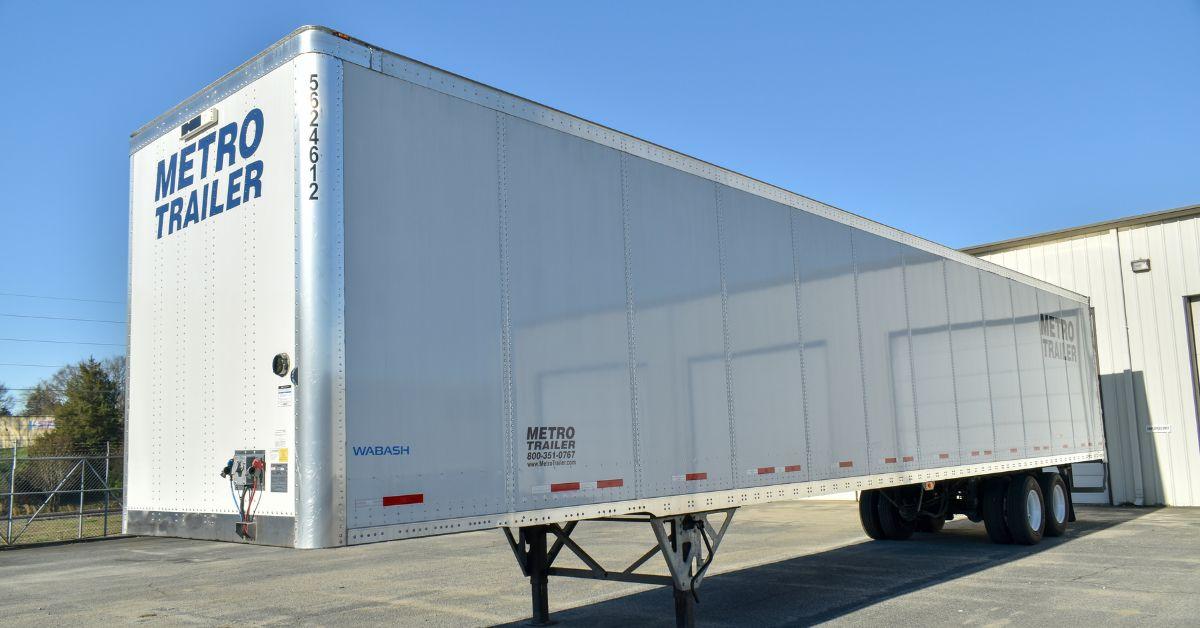
They Support Efficient Less-Than-Truckload Shipping
Not every long-haul shipment requires an entire 53-foot trailer. The less-than-truckload (LTL) market relies on dry vans to consolidate shipments from multiple customers into a single trip. The enclosed, uniform space of a dry van makes it easy to partition loads. Carriers can create bulkheads or use load bars to separate different orders effectively, ensuring that freight for one destination does not mix with another.
This consolidation capability makes long-haul shipping accessible for small businesses that may only ship a few pallets at a time. By sharing trailer space, these shippers split the cost of fuel and driver labor, making national distribution affordable. LTL networks depend on the dry van to act as a mobile warehouse, organizing and protecting diverse goods as they travel through a hub-and-spoke system to their final destinations.
They Provide Flexibility Through Readily Available Inventory
The vast network of dry vans available on the market provides a safety net for supply chains. When demand spikes—such as during the holiday season or a major product launch—companies can access additional capacity relatively easily.
This availability allows businesses to scale their operations up or down without committing to long-term capital expenditures. A logistics manager facing a sudden surge in orders can quickly source a local dry van trailer rental to handle the overflow. This agility prevents bottlenecks and keeps long-haul schedules uninterrupted.
Maximize Your Long-Haul Efficiency
Choosing the right equipment determines the success of any shipping operation. For long-haul transport, dry van trailers provide the optimal balance of security, versatility, and cost-effectiveness. They protect valuable cargo from theft and weather, accommodate a vast array of product types, and integrate seamlessly into existing warehouse infrastructures.
Businesses that recognize why dry van trailers are ideal for long-haul shipping position themselves for reliable, scalable growth. By utilizing equipment that prioritizes cargo safety and operational speed, companies ensure their products arrive on time and in perfect condition. Assess your current cargo requirements today and see how optimizing your use of dry van trailers can drive your logistics strategy forward.