
Top 8 Mistakes Newbies Make With Trailer Lease Agreements
New businesses often move quickly when they need additional trailer capacity. Growing workloads, seasonal demands, and new shipping contracts can push companies into signing lease agreements before they fully review the details. However, that rush can create expensive problems later on.
Many companies entering the trailer rental market focus only on monthly pricing. They overlook maintenance obligations, mileage terms, equipment specifications, and lease flexibility. Those oversights can affect operations long after the paperwork gets signed.
The most common issues usually come from misunderstandings instead of bad intent. These top eight mistakes newbies make with trailer lease agreements often involve details that seem minor during negotiations but become major expenses later.
Focusing Only on the Monthly Lease Rate
New renters and lessees often compare rental agreements based only on the monthly payment. A lower rate may look attractive upfront, but hidden costs can change the total expense quickly.
Some trailer agreements include extra charges for mileage, tire replacement, maintenance calls, or early termination. Others may require additional fees for trailer delivery or pickup. Businesses that ignore those details end up paying far more than expected over the full lease term.
A strong agreement should match operational needs instead of offering the lowest price on paper, which is why companies should review every cost category before signing. Clear pricing creates fewer surprises during the lease period.
Overlooking Trailer Specifications
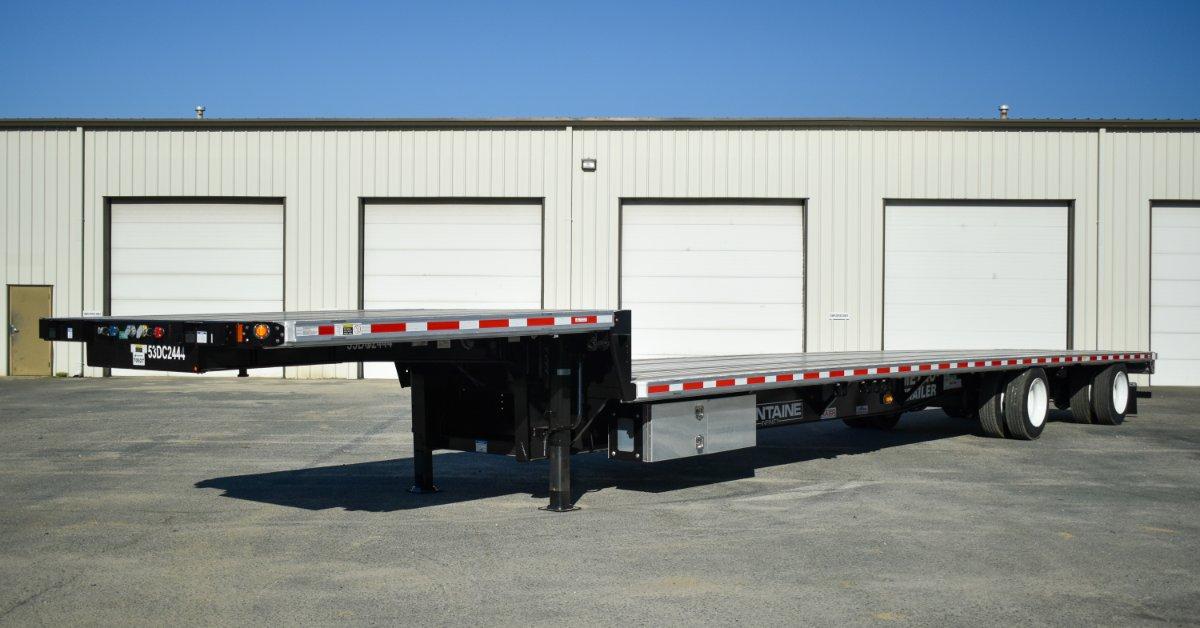
Many first-time lessees assume most trailers function the same way. That mistake often leads to renting equipment that cannot support daily operations efficiently. Dry vans, flatbeds, refrigerated trailers, and storage trailers all serve different purposes. Weight capacity, door configuration, axle setup, and trailer dimensions also matter.
Companies exploring commercial trailer rentals should review their cargo requirements carefully before choosing any equipment. A mismatch between freight needs and trailer capabilities can create loading delays, compliance concerns, and operational setbacks.
Before signing an agreement, businesses should confirm:
- Trailer dimensions and weight capacity
- Loading and unloading requirements
- Refrigeration or storage needs
- DOT compliance standards
- Delivery and pickup availability
Those details protect companies from leasing equipment that limits productivity.
Ignoring Maintenance Responsibilities
Maintenance language creates confusion for many new lessees. Some agreements place responsibility on the leasing company, while others require the customer to handle specific repairs.
Businesses sometimes assume every repair falls under the lease provider. That assumption can cause disputes when maintenance issues arise. Brake service, tire replacement, roadside assistance, and regular inspections may fall under different terms depending on the agreement.
Clear maintenance expectations reduce downtime and prevent billing disagreements, so companies should ask direct questions about repair coverage before signing. They should also review response times for service requests, especially if trailers operate across multiple states. Reliable trailer providers explain maintenance responsibilities clearly. That transparency keeps operations moving without confusion.
Choosing the Wrong Lease Duration
A lease term that does not fit operational demands can create unnecessary costs. Some businesses commit to long agreements before they fully understand their future workload changes.
Seasonal operations may need short-term rentals during peak shipping periods. Other businesses benefit from long-term leases that stabilize fleet availability and budgeting. The wrong lease duration can leave companies paying for unused equipment or scrambling to replace trailers sooner than expected.
New operators should evaluate freight volume, customer contracts, and projected growth before selecting a term length. Flexibility matters when shipping demands shift unexpectedly. A provider that offers both short-term rentals and long-term leasing options gives businesses more room to adapt, and companies avoid getting locked into arrangements that no longer fit their operational needs.
Skipping the Inspection Process
Some first-time lessees sign agreements and accept trailers without conducting detailed inspections. That shortcut can create problems at the end of the lease when damage disputes appear.
Every trailer should receive a documented inspection before delivery and before return. Businesses should review the tires, lighting systems, doors, flooring, brakes, and visible structural components. Photos provide additional protection if disagreements occur later.
One of the top mistakes newbies make with trailer lease agreements is failing to maintain proper documentation practices. Inspection records create accountability for both parties. They also identify issues early before minor damage becomes a larger repair expense.
Failing To Understand Insurance Requirements
Insurance requirements vary across lease agreements. Some businesses overlook coverage details until a claim occurs. Lease providers may require specific liability limits, cargo coverage, or physical damage protection. Missing coverage can delay trailer pickup or expose a business to financial risk after an accident.
Companies should review all insurance obligations with their provider and insurance carrier before finalizing the lease agreement. Clear communication prevents gaps in protection.
New lessees should pay close attention to:
- Required liability limits
- Trailer damage coverage
- Cargo insurance expectations
- Additional insured requirements
- Geographic coverage restrictions
Understanding these requirements keeps operations compliant and reduces delays.
Assuming Every Provider Offers the Same Service Level
Some businesses focus entirely on pricing and overlook operational support, but service quality can vary across trailer leasing companies. A low-cost lease becomes expensive if repair response times slow deliveries or leave trailers unavailable for extended periods. Communication also matters, as companies need fast answers when equipment issues affect schedules.
Businesses should evaluate more than trailer inventory during the selection process. Nationwide availability, maintenance support, equipment quality, and responsiveness all affect long-term performance.
At Metro Trailer Leasing, we work directly with businesses across the country to provide dependable trailer rental and leasing solutions that match operational demands. Our team supports customers with flexible options, reliable equipment, and responsive service designed for real transportation needs.
Waiting Too Long To Secure Equipment
New operators sometimes delay leasing decisions until freight demand reaches urgent levels. That timing limits available trailer inventory and reduces negotiating flexibility.
Planning ahead gives companies more control over trailer selection and lease structure. It also improves the likelihood of securing the exact trailer types required for operations.
Early planning becomes especially important for businesses managing seasonal freight increases, temporary storage needs, or large customer contracts. Companies that prepare ahead avoid unnecessary operational disruptions.
Final Thoughts
Trailer lease agreements affect daily operations, operating costs, and fleet reliability. Businesses that rush through the process often miss details that later create financial strain or operational setbacks.
The strongest leasing decisions come from careful review and direct communication. Companies should evaluate equipment specifications, maintenance obligations, insurance terms, inspection procedures, and lease flexibility before committing to any agreement.
New businesses entering the transportation industry do not need to navigate these decisions alone. At Metro Trailer Leasing, we provide nationwide trailer rental and leasing support backed by practical industry knowledge and responsive customer service. Our team works with businesses of all sizes to match the right trailers to their operational needs.