

Storage Trailer Rental vs. Warehouse Space: A Comparison
Businesses that manage inventory, equipment, or seasonal supplies need storage solutions that support daily operations without creating unnecessary expenses. Storage trailer rentals and warehouse spaces both provide space for goods, but they differ in how businesses access inventory and manage changing storage demands.
The right choice depends on how frequently employees need stored materials, where those materials belong, and how long the business needs additional space. Understanding these differences allows companies to select storage arrangements that fit their operational requirements.
Storage Trailers Offer Flexible Space for Changing Needs
Storage requirements rarely remain consistent throughout the year, especially for businesses that experience seasonal demand or fluctuating inventory levels. A storage trailer allows companies to increase available space without committing to a permanent facility expansion. Businesses can rent additional units during busy periods and adjust their storage arrangements when demand decreases.
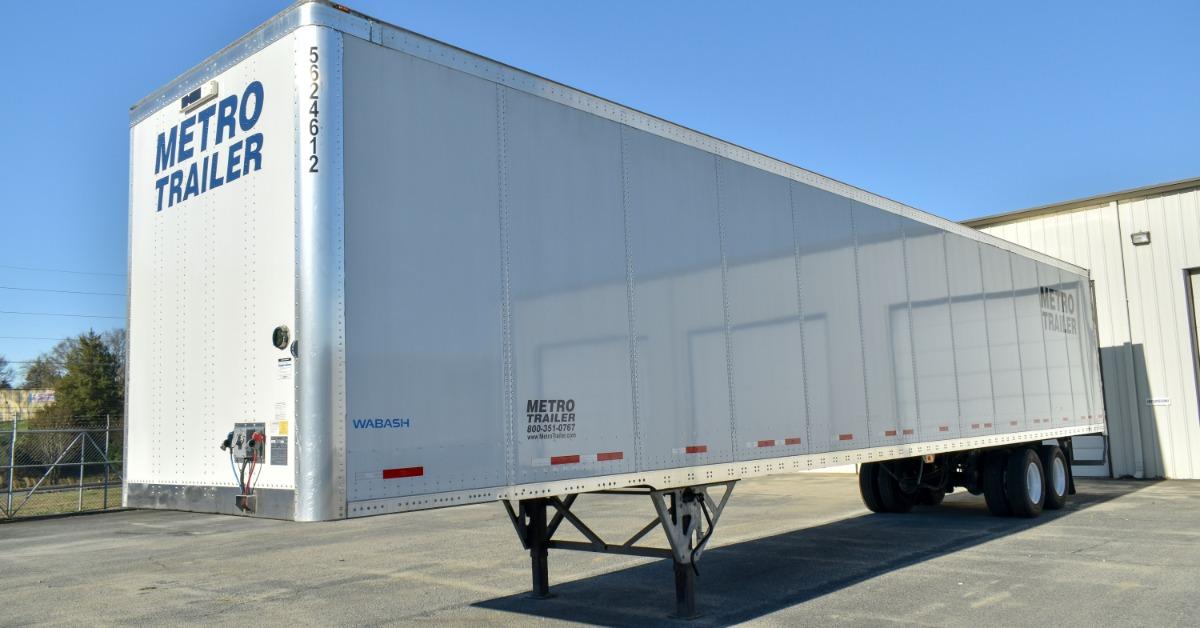
Companies that anticipate temporary increases in inventory benefit from the adaptability of a semi trailer rental for storage. Instead of expanding their existing buildings, they can add storage capacity according to current operational demands.
Warehouse Space Provides Capacity for Large Inventory Operations
The volume of materials a business needs to store can influence its choice between a trailer and a warehouse. Warehouses generally provide larger interior spaces that accommodate extensive inventory collections and high-volume storage operations. Businesses can organize merchandise across multiple storage areas while maintaining dedicated space for material handling.
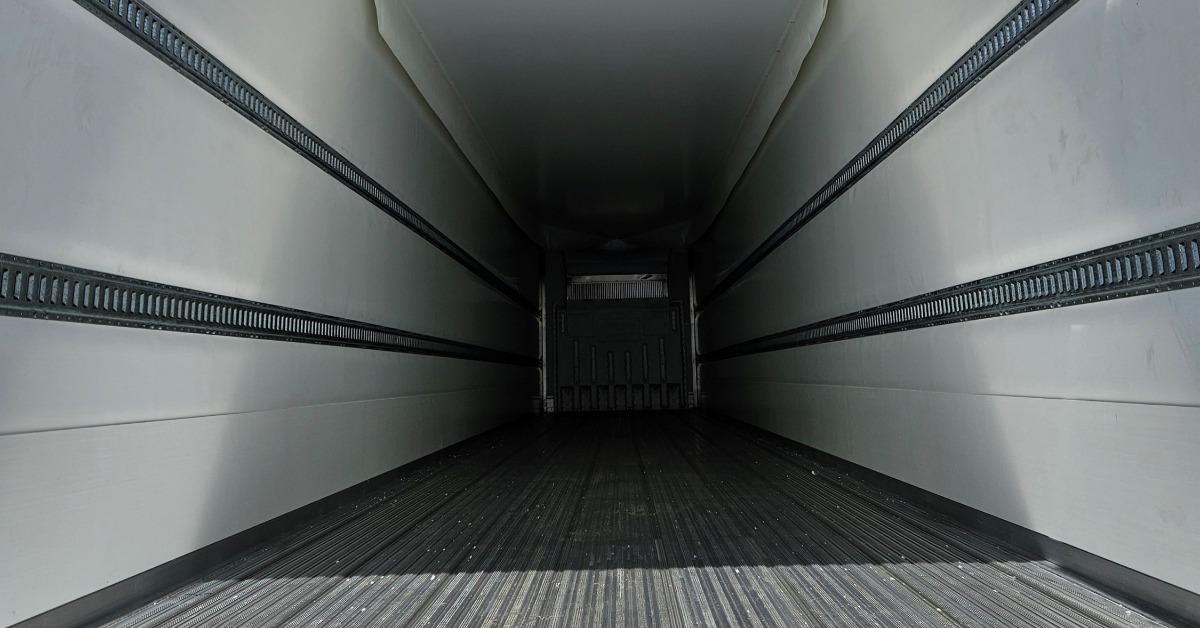
Warehouse facilities also support vertical storage arrangements when ceiling heights and equipment allow. Companies can install appropriate racking systems to increase usable capacity without expanding the building’s footprint. Storage trailers have lower interior heights and require loading plans that account for weight distribution and safe access.
Storage Trailers Keep Materials Closer to Daily Operations
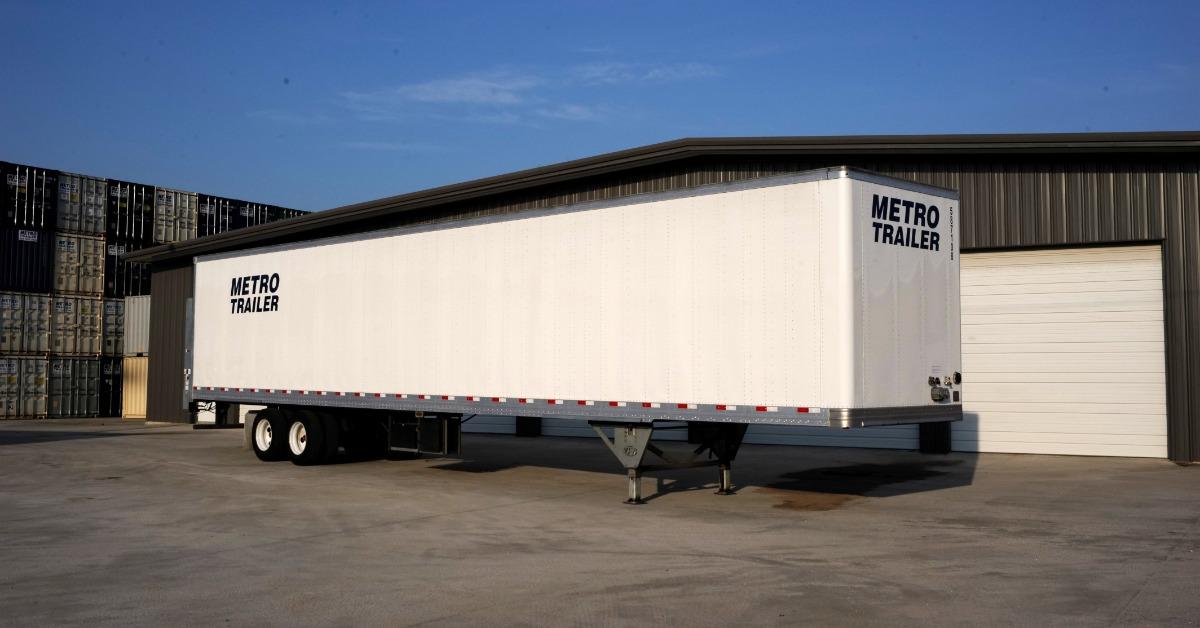
Location significantly affects how efficiently employees retrieve stored equipment or inventory. Storage trailers allow businesses to position additional storage near their existing facilities, provided the property has sufficient space and permits trailer placement. This proximity reduces the need to travel between separate locations whenever workers need materials.
For construction companies, storage trailers can keep suitable supplies near active projects. Retail businesses may use trailers at distribution locations to manage merchandise overflow without moving inventory to an off-site warehouse.
The practical advantage depends on available property space and how frequently employees need stored materials. Businesses should evaluate their daily retrieval patterns before deciding which arrangement offers greater convenience.
Warehouse Facilities Offer More Options for Climate-Sensitive Goods
Certain products require controlled environmental conditions to maintain their quality during storage. Many warehouses offer climate-controlled areas that regulate temperature and humidity according to specific inventory requirements. These features make warehouse storage appropriate for products that cannot tolerate significant environmental changes.
Warehouses may also provide specialized storage environments for products that require additional environmental monitoring. However, companies must confirm which capabilities a particular facility offers rather than assuming every warehouse includes these features.
For goods that tolerate ordinary temperature variations, standard storage trailers may provide sufficient protection. Businesses should review product storage requirements and trailer specifications before making their selection.
Storage Trailer Rentals Can Reduce Certain Facility Expenses
Storage costs involve more than the advertised monthly rental rate. Businesses must consider the expenses associated with obtaining space and maintaining access to their inventory. Comparing these financial obligations provides a clearer picture of the total storage investment.
Storage trailer rentals may eliminate some expenses associated with occupying additional commercial buildings. However, businesses still need to account for trailer delivery, rental duration, and any applicable site preparation requirements. Warehouse expenses vary according to facility size, location, and available services. Depending on the agreement, businesses may also encounter charges for utilities or material handling.
When comparing storage trailer rental versus warehouse space, companies should review several financial considerations, including:
- Monthly rental rates and minimum commitment periods
- Delivery or transportation expenses
- Loading and unloading requirements
- Property preparation and access costs
- Additional services or facility charges
The least expensive option depends on the amount of storage space required and how the business intends to use it. Comparing complete rental terms prevents companies from overlooking expenses that could affect their operating budgets.
Warehouses Support Complex Inventory Handling
Businesses that regularly receive shipments or process outgoing orders need more than an area to store merchandise. Warehouses can accommodate organized receiving operations and designated work areas for inventory processing. These capabilities make them particularly useful for companies that handle frequent product movement.
Many warehouse facilities feature loading docks that accommodate commercial trucks and support established shipping schedules. Depending on the building, employees may also have access to equipment that moves palletized merchandise efficiently throughout the facility.
Companies should consider whether they need dedicated storage or a facility that supports broader distribution operations. Warehouses generally suit businesses with extensive material-handling requirements, while trailers accommodate operations that primarily need additional inventory space.
Storage Trailers Allow Businesses To Adjust Their Storage Locations
Some businesses need storage at different locations as projects progress or operational priorities change. Storage trailers offer a relocation option that permanent warehouse facilities cannot provide. With appropriate transportation arrangements, companies can move trailers between suitable locations instead of transferring their inventory into another storage building.
This flexibility benefits businesses that manage temporary projects or operate across multiple locations. However, relocation requires advance planning and coordination with the rental provider.
Companies should consider whether their storage needs will remain at one location or shift throughout the rental period. Location flexibility may justify choosing trailers even when both options provide adequate storage capacity.
The Right Storage Choice Depends on Operational Priorities
Storage trailer rental versus warehouse space is ultimately a comparison of how each option supports specific business requirements. Companies that need extensive inventory capacity or specialized storage conditions may find warehouses more suitable. Businesses seeking temporary overflow space or convenient on-site access may prefer storage trailers.
Before committing to either option, decisionmakers should evaluate anticipated storage duration and the physical requirements of their inventory. They should also confirm that their selected location supports safe equipment access and complies with applicable property restrictions.
At Metro Trailer Leasing, we provide storage trailer rental options for businesses throughout the nation. We work with customers who need short-term rentals and longer-term leasing arrangements for their storage requirements. Contact us today to discuss your storage needs and explore available trailer rental options.