

Signs Your Business Has Outgrown Its Existing Trailer Fleet
A growing business often faces increasing demands on its transportation equipment. As shipment volumes rise and customer expectations change, a trailer fleet that once supported daily operations may struggle to keep pace. Limited equipment availability can disrupt schedules and create unnecessary expenses, even when a company manages its resources carefully.
Recognizing the signs your business has outgrown its existing trailer fleet allows you to address capacity limitations before they interfere with performance. Understanding these warning signs also makes it easier to determine whether additional trailers could support your company’s long-term transportation needs.
Frequent Trailer Shortages Disrupt Daily Operations
One of the clearest indicators of insufficient fleet capacity involves regular equipment shortages. When dispatchers have trouble locating available trailers for scheduled loads, the business may have reached the limits of its current resources. These shortages can delay departures and force employees to rearrange transportation schedules.
Occasional shortages may reflect temporary demand fluctuations, but recurring problems during normal operating periods suggest a larger capacity issue. If employees regularly wait for trailers to return before assigning new loads, the company should evaluate whether its fleet can accommodate its workload.
Increasing Shipment Volumes Exceed Available Capacity
Business growth often brings larger orders and more frequent deliveries, placing additional pressure on transportation resources. A fleet that previously handled shipment volumes comfortably may no longer provide enough capacity to support expanding operations.
Companies should examine shipment activity over several months rather than focusing exclusively on peak periods. Consistent increases in freight volume suggest that transportation requirements have shifted beyond temporary fluctuations.
Businesses should also consider whether their trailers accommodate the size and characteristics of incoming loads. Increasing shipment volume may require additional units, while changing freight requirements could justify expanding the variety of equipment within the fleet.
Delivery Schedules Become Difficult To Maintain
Reliable delivery schedules depend on having suitable equipment available when transportation teams need it. As fleet capacity becomes strained, dispatchers face tighter turnaround windows between shipments, leaving little room for delays.
When trailers must move immediately from one assignment to another, even minor disruptions affect subsequent deliveries. Traffic delays or extended unloading times prevent equipment from reaching its next destination according to schedule.
Businesses experiencing these challenges should review how closely their transportation schedules depend on maximum trailer utilization. Additional capacity creates more flexibility between assignments and reduces the pressure to maintain continuous equipment movement.
Maintenance Requirements Reduce Equipment Availability
Every trailer requires regular inspections and maintenance to remain suitable for transportation operations. As equipment accumulates mileage, maintenance needs may increase, creating availability problems when multiple trailers require attention during busy periods.
Maintenance-related downtime becomes especially disruptive when a company lacks sufficient replacement equipment. Removing one trailer from service may force transportation teams to postpone shipments or redistribute assignments among the remaining units.
Fleet managers should monitor maintenance frequency alongside equipment availability to identify recurring scheduling conflicts. Expanding the fleet through commercial trailer leasing offers an alternative to purchasing additional equipment outright while providing capacity during maintenance periods.
Customer Demand Creates More Frequent Capacity Conflicts
Customer expectations can change as businesses expand into new markets or establish relationships with larger accounts. Some customers may require more frequent pickups, while others expect transportation capacity during specific delivery windows.
A company may have enough trailers to handle its overall shipment volume but still struggle to accommodate competing customer schedules. When several accounts require equipment simultaneously, dispatchers must determine which assignments receive priority.
Frequent scheduling conflicts affect customer relationships and limit opportunities to accept additional business. Reviewing customer demand patterns allows transportation managers to determine whether expanding fleet capacity would improve their ability to meet existing commitments.
Trailer Utilization Remains Consistently Near Maximum Capacity
High trailer utilization can indicate efficient equipment management, but operating near maximum capacity for extended periods may suggest that the fleet lacks sufficient flexibility. Businesses should distinguish between productive equipment use and excessive dependence on every available trailer. A fleet that operates at full capacity throughout the week may have trouble when unexpected shipments arrive or existing assignments take longer than anticipated.
Several operational indicators reveal whether utilization levels have become restrictive:
- Limited availability for unscheduled shipments
- Frequent reassignment of trailers between customers
- Minimal downtime between transportation assignments
- Difficulty accommodating urgent freight requests
- Regular dependence on temporary equipment arrangements
Monitoring these conditions allows fleet managers to recognize when utilization levels begin restricting operational flexibility rather than supporting efficiency.
Geographic Expansion Increases Equipment Distribution Challenges
Expanding into additional service territories changes how businesses manage trailer availability. Equipment that previously operated within a concentrated geographic area may now travel longer distances or remain at customer locations for extended periods.
These changes create equipment imbalances between facilities, leaving one location with excess trailers while another struggles to meet shipment requirements. Repositioning equipment takes time and introduces additional transportation expenses.
Businesses should evaluate how geographic expansion affects trailer distribution throughout their operating network. Maintaining adequate equipment at frequently used locations may require a larger fleet, particularly when long-distance movements prevent trailers from returning quickly.
Rising Transportation Costs Reveal Capacity Limitations
Insufficient fleet capacity can create expenses beyond the cost of acquiring additional equipment. Businesses may rely on last-minute transportation arrangements when their existing trailers cannot accommodate scheduled freight, increasing operating costs when shortages occur repeatedly.
Employees might also spend additional time coordinating alternative transportation options instead of managing routine shipments. These inefficiencies can accumulate as transportation demand increases.
Fleet managers should examine emergency rental expenses and other costs directly associated with equipment shortages. Comparing these expenses against the cost of expanding the fleet allows businesses to determine whether maintaining their existing fleet size remains financially practical.
New Freight Requirements Demand Different Trailer Types
Fleet limitations do not always involve the number of available trailers. Sometimes, businesses outgrow their existing equipment because their freight requirements change.
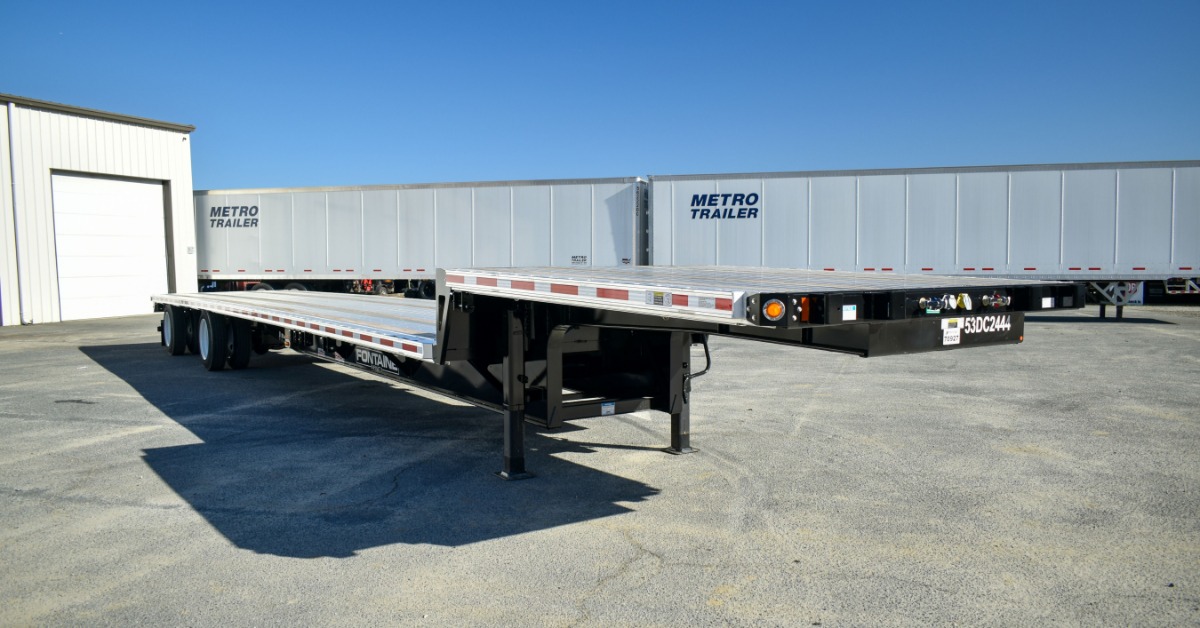
For example, a company that primarily transports enclosed freight may begin accepting shipments that require flatbed trailers. Other operations might encounter demand for refrigerated equipment as their customer base expands.
Attempting to accommodate new freight requirements without suitable equipment can restrict business opportunities. Transportation managers should evaluate whether their current fleet matches the cargo they expect to handle and consider expanding equipment options when necessary.
Expanding Your Trailer Fleet Supports Continued Business Growth
Understanding the signs your business has outgrown its existing trailer fleet provides a starting point for evaluating future equipment requirements. Companies can review shipment trends and identify capacity gaps before shortages disrupt daily operations.
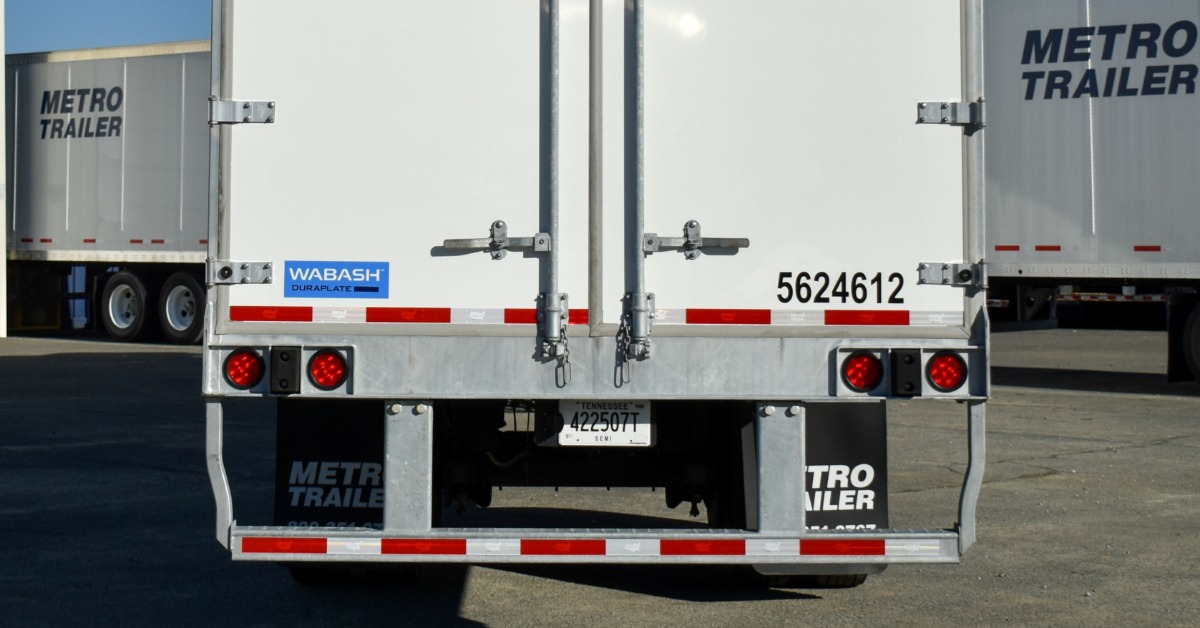
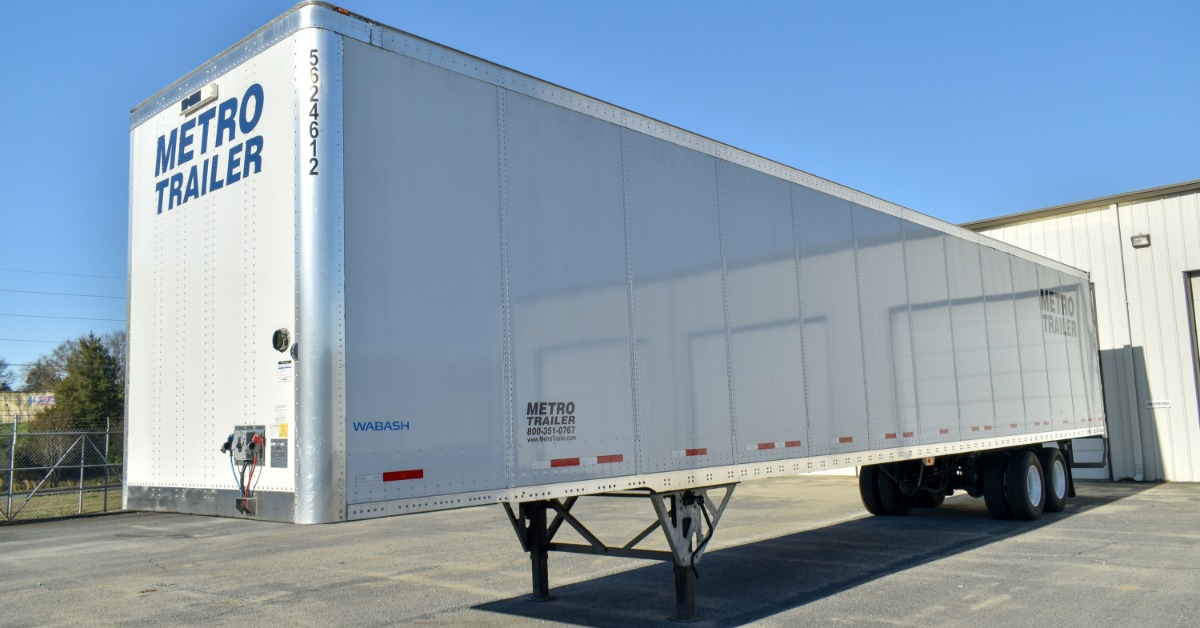
At Metro Trailer Leasing, we offer nationwide trailer rental and leasing solutions for businesses with changing transportation needs. Our equipment options include dry van trailers, flatbeds, and refrigerated trailers to accommodate different freight requirements.
Whether your business needs additional capacity for an upcoming project or a longer-term fleet expansion, our team can discuss available equipment options. Contact Metro Trailer Leasing today to explore rental and leasing solutions that support your transportation operations.