

How Trailer Availability Impacts Supply Chain Planning
Supply chain planning depends on more than knowing which products need to move and when they need to arrive. Companies also need enough transportation capacity at the right locations to keep freight moving according to schedule. When trailer availability falls short of demand, even a well-planned operation may encounter loading delays, crowded facilities, or disruptions that affect customers.
Understanding how trailer availability impacts supply chain planning gives businesses a clearer view of the connection between equipment capacity and day-to-day logistics. By accounting for trailer needs early, companies can build schedules that reflect actual operating conditions.
Trailer Availability Influences Transportation Scheduling
Transportation schedules rely on equipment being ready when freight reaches the loading stage. If a facility has goods prepared but no suitable trailer available, employees may need to hold that freight until equipment arrives. That delay affects later pickups and disrupt carefully planned shipping windows.
Supply chain teams can reduce scheduling problems by evaluating trailer requirements alongside expected shipment volume. Historical demand patterns, upcoming orders, and known operational changes provide useful context for estimating equipment needs. Planning around these factors gives teams more time to address potential trailer shortages before they interfere with shipping activity.
Businesses should also consider the type of trailer each shipment requires. Available equipment offers little value if it does not match the freight or transportation requirements. Accurate planning accounts for both the number and type of trailers needed during a given period.
Limited Trailer Capacity Creates Loading Bottlenecks
Loading areas depend on a steady flow of empty trailers. When outbound freight moves into available equipment promptly, warehouse teams can clear staging space and prepare the next shipment. A trailer shortage interrupts that rhythm.
Without enough equipment, freight may remain inside a warehouse longer than expected. Employees could need to reorganize staging areas or adjust loading priorities while waiting for trailers. Those changes consume time and reduce the amount of freight a facility can process during a shift.
Managers can watch several indicators when evaluating whether trailer capacity matches facility needs:
- Frequency of freight waiting for an empty trailer
- Time between load preparation and trailer loading
- Changes in outbound shipment volume
- Trailer demand during seasonal or promotional peaks
- Recurring delays tied directly to equipment shortages
Tracking these conditions gives businesses a clearer picture of where trailer availability affects facility flow.
Seasonal Demand Makes Trailer Planning More Important
Many supply chains experience periods when freight volume rises sharply. Retail cycles, agricultural schedules, manufacturing activity, and other business conditions create temporary increases in transportation demand. When several companies need additional equipment at the same time, trailer availability may tighten.
Waiting until shipping volume reaches its peak to evaluate trailer needs can leave businesses with fewer options. Earlier planning gives supply chain teams time to compare projected freight activity with their existing equipment capacity.
Seasonal planning should start with the company’s own operating data. Teams can review previous volume changes and upcoming customer commitments to identify periods when trailer demand may rise. They can then determine whether their normal fleet capacity aligns with projected activity and address gaps with commercial trailer rentals before higher volumes arrive.
Equipment Location Shapes Supply Chain Flexibility
Having enough trailers across an entire operation does not automatically mean the equipment sits where a company needs it. A business may have available trailers at one facility while another location faces a shortage. That imbalance complicates transportation planning even when total equipment capacity appears sufficient.
Supply chain teams need visibility into where trailers sit and how quickly operations turn them around. If equipment regularly accumulates at certain destinations, planners may need to account for repositioning when developing transportation schedules.
Location matters even more for businesses with multiple distribution points or changing shipping lanes. Freight patterns can shift as customer demand changes, which may move trailer demand from one region or facility to another. Monitoring those changes allows planners to identify mismatches between equipment location and shipping activity before they cause larger disruptions.
Trailer Planning Supports More Consistent Customer Service
Customers generally expect businesses to meet agreed shipping and delivery schedules. Equipment shortages behind the scenes do not change those expectations. When trailer availability interrupts outbound operations, delays eventually reach customers.
Reliable capacity planning connects equipment decisions to service commitments. Supply chain teams can compare trailer needs with shipment schedules instead of treating equipment as a separate operational concern. This connection gives planners a better understanding of whether available resources support upcoming obligations.
Consistent trailer access also gives transportation teams more flexibility when coordinating pickups. Rather than repeatedly changing plans because equipment remains unavailable, they can focus on moving freight according to established schedules. That consistency supports smoother communication between warehouses, transportation teams, and customers without requiring last-minute adjustments.
Rental and Leasing Options Give Businesses More Capacity Choices
Companies do not always need the same number of trailers throughout the year. Permanent fleet expansion may not make sense when additional capacity only supports a temporary increase in demand. Rental and leasing options allow businesses to match equipment arrangements more closely to operational timelines.
Short-term rentals may suit temporary storage requirements or changing freight volume. Longer-term leasing can support businesses that need equipment for an extended operating period without purchasing additional trailers outright. The right arrangement depends on how long the company expects to need the equipment and how it plans to use it.
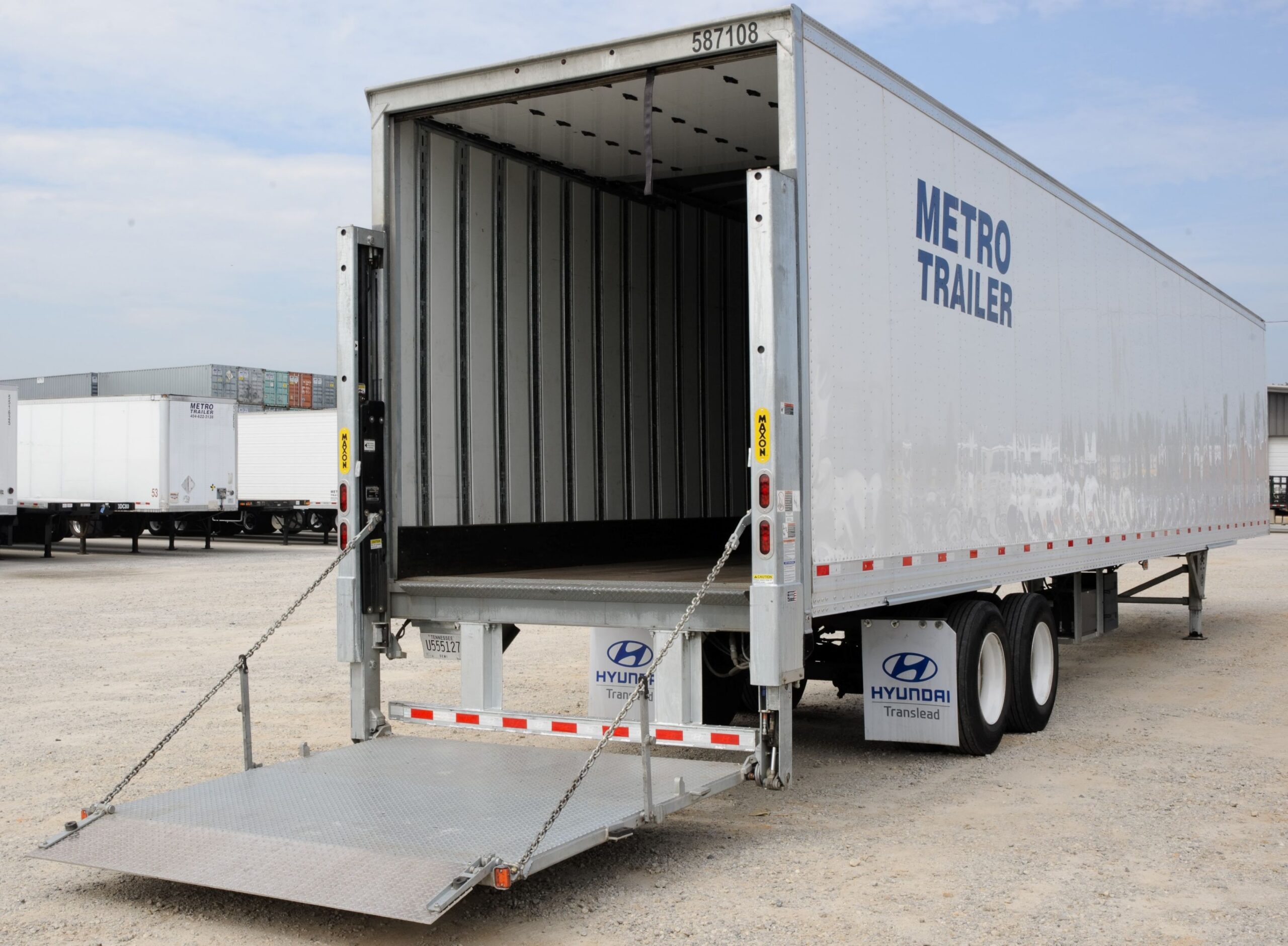
At Metro Trailer Leasing, we provide trailer rental and leasing options for businesses with transportation and storage needs nationwide. Our selection includes dry vans, storage trailers, flatbeds, refrigerated trailers, and container chassis. Companies can contact us to discuss equipment needs and find options that align with their operations.
Proactive Trailer Planning Keeps Supply Chains Adaptable
How trailer availability impacts supply chain planning becomes especially clear when equipment shortages begin affecting schedules, warehouse capacity, or customer commitments. Businesses that treat trailer capacity as part of their broader planning process can identify potential gaps earlier and prepare for changing freight requirements.
Strong planning starts with understanding expected volume and where equipment needs to be available. Teams should also account for storage requirements and periods of changing demand rather than waiting for a shortage to force a quick decision.
Trailer availability cannot eliminate every supply chain disruption, but it gives businesses another area they can plan and manage. When companies regularly evaluate equipment needs against actual operations, they create a supply chain that can adjust more effectively as freight demands change.