

How To Efficiently Store Construction Material
Construction projects rely on organized storage from the first delivery through the final phase of work. Building materials represent a major investment, which means every pallet, bundle, and piece of equipment deserves proper protection. Poor storage habits can lead to damaged inventory, wasted labor, and unnecessary replacement costs that affect project schedules and budgets.
Understanding how to efficiently store construction material gives contractors and project managers greater control over daily operations. Organized storage keeps crews productive because they spend less time searching for supplies and more time completing work. Whether a project lasts several weeks or many months, creating a reliable storage system supports smoother operations from start to finish.
Organized Storage Reduces Material Loss and Jobsite Delays
Every jobsite presents unique storage challenges. Weather, limited space, ongoing deliveries, and multiple subcontractors all compete for room. Without a structured storage plan, materials often end up scattered throughout the property, making inventory difficult to manage.
Designating storage zones before deliveries arrive keeps operations organized from day one. Separate lumber, piping, electrical supplies, fasteners, and finishing materials into clearly identified locations. This way, workers can retrieve what they need quickly while reducing unnecessary handling that may damage products.
Managers should also maintain consistent traffic patterns around storage areas. Keeping forklifts, delivery vehicles, and pedestrian walkways separated reduces congestion while protecting stored materials from accidental impacts.
Proper Protection Extends the Life of Construction Materials
Different materials require different storage conditions. Moisture, excessive sunlight, dust, and temperature swings can reduce product quality long before installation begins.
Lumber benefits from elevated storage that keeps the boards off the ground while allowing proper airflow beneath stacked bundles. Drywall should remain indoors or inside enclosed storage to prevent moisture absorption, and roofing materials often require protection from prolonged sun exposure before installation.
Covering products correctly also matters. Waterproof tarps should shield materials without trapping excessive moisture underneath. Allowing ventilation reduces condensation while keeping rain away from valuable inventory. Routine inspections allow project managers to identify damaged coverings, standing water, or shifting stacks before minor issues become expensive problems.
Secure Storage Improves Inventory Control Throughout the Project
Construction sites experience constant movement. New shipments arrive while crews consume materials every day. Maintaining accurate inventory requires more than simply stacking products wherever space becomes available.
A consistent labeling system simplifies inventory tracking throughout the project. Assign designated storage sections to specific material categories and update inventory records whenever deliveries arrive or crews remove supplies.
These simple organizational habits produce meaningful improvements:
- Label storage areas clearly.
- Rotate older inventory before newer deliveries.
- Keep frequently used materials easily accessible.
- Store high-value items inside locked locations.
- Schedule routine inventory inspections.
These practices reduce ordering mistakes while preventing unnecessary purchases caused by misplaced materials.
Storage Trailers Create Flexible Space for Active Jobsites
Many construction sites lack permanent storage buildings. As projects expand, available indoor space often disappears quickly. Mobile storage solutions provide additional capacity without requiring permanent construction.
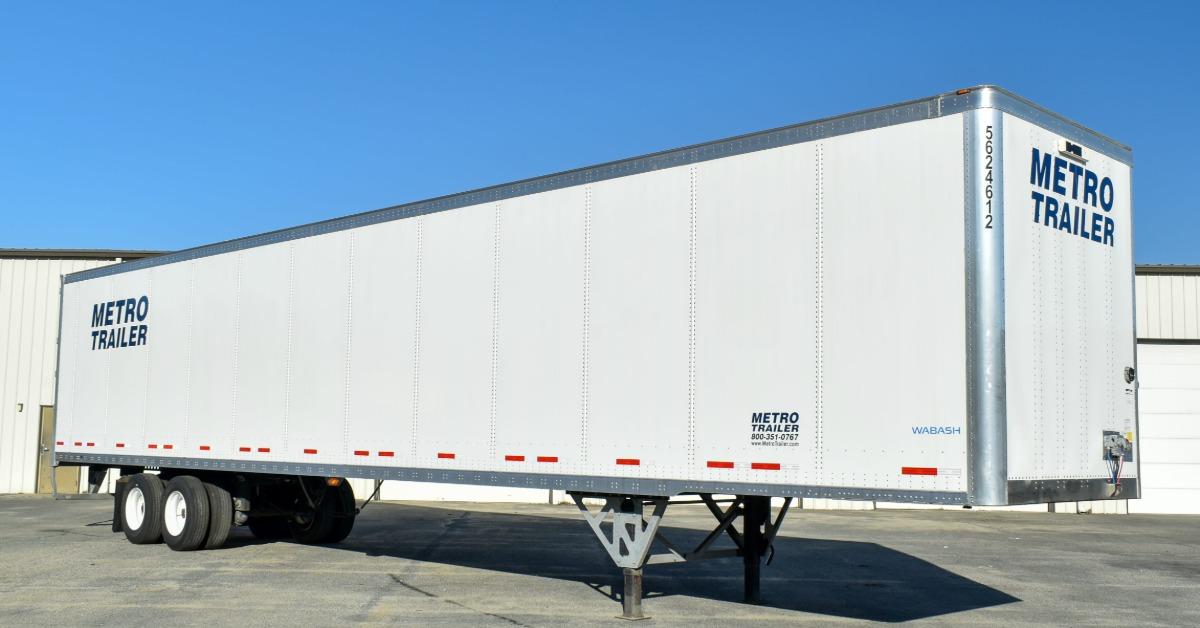
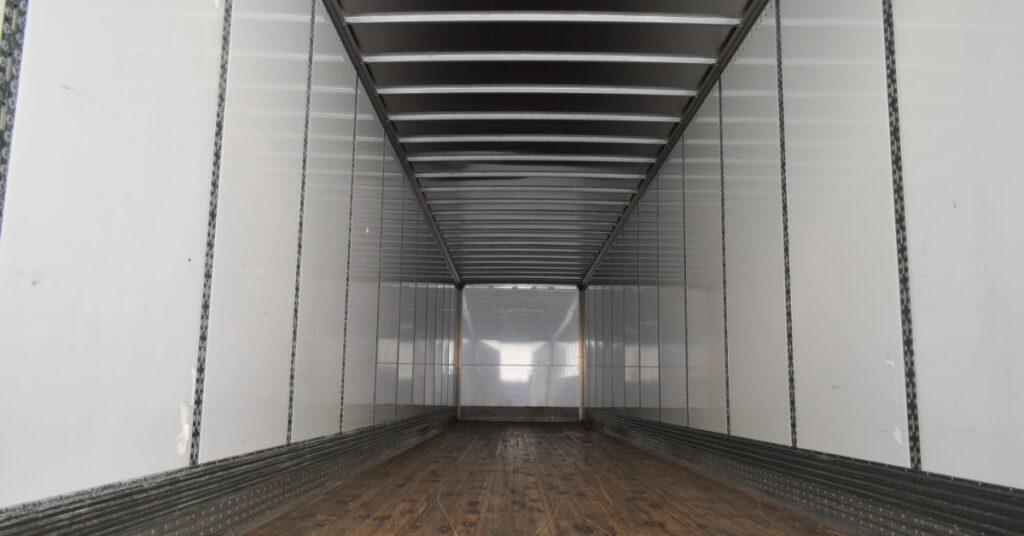
Many contractors choose a semi trailer rental for storage because the enclosed trailers protect valuable materials from weather while providing secure, organized space directly on-site. Workers gain convenient access throughout the project without transporting supplies back and forth between a warehouse and the worksite.
Storage trailers also simplify staging operations. Managers can position trailers near active work zones, allowing crews to retrieve materials efficiently while minimizing travel across large jobsites. As project needs change, trailers can be relocated to better support ongoing work, making them an adaptable option for projects with evolving layouts.
Strategic Material Placement Supports Daily Productivity
Storage organization should reflect how crews actually perform their work. Frequently used materials deserve convenient placement near active construction areas, while specialty products can remain farther away until needed.
Receiving schedules also influence storage efficiency. Planning deliveries around installation timelines prevents overcrowding while reducing material handling. Products that arrive too early often require additional movement before installation begins.
Equipment accessibility deserves equal attention. Forklifts, cranes, and other handling equipment should reach stored materials without navigating unnecessary obstacles. Clear access routes reduce loading times while lowering the risk of product damage during transportation across the site. Thoughtful placement decisions create smoother daily operations while reducing labor devoted solely to moving inventory.
Ongoing Maintenance Keeps Storage Areas Safe and Functional
Storage areas require regular attention throughout every phase of construction. Dirt, debris, damaged pallets, and shifting inventory gradually reduce organization if crews neglect routine maintenance.
Assign responsibility for inspecting storage locations on a scheduled basis. Supervisors can verify that stacks remain stable, coverings stay intact, and access paths remain clear. Small corrections completed consistently prevent larger organizational problems later in the project.
Clean storage areas also improve workplace safety since loose materials, broken packaging, and scattered debris increase trip hazards while making inventory more difficult to locate. Managers who treat storage maintenance as part of daily operations often experience fewer delays caused by damaged or misplaced materials.
Reliable Storage Solutions Keep Construction Projects Moving Forward
Successful construction depends on more than skilled labor and quality materials. Organized storage supports nearly every phase of a project by protecting inventory, improving accessibility, and reducing costly disruptions. Companies that understand how to efficiently store construction material often experience smoother workflows because crews spend less time searching for supplies and more time completing productive work.
When additional storage capacity becomes necessary, we provide flexible trailer rental and leasing solutions that fit projects across the country. At Metro Trailer Leasing, we offer nationwide service with a large fleet that supports construction companies, transportation providers, retailers, and many other industries. Whether you need temporary on-site storage or a longer-term solution, we can match you with dependable equipment that keeps your materials protected and your project moving forward.
Choosing the right storage solution supports better organization from the beginning of a project through final completion. Investing time in planning storage layouts, protecting valuable inventory, and using secure enclosed trailers creates measurable improvements that benefit every stage of construction. Following practical storage practices allows contractors to protect materials, improve efficiency, and maintain stronger control over project costs while keeping work progressing on schedule.