

Flatbed vs. Step Deck Trailers: Which Is Right for You?
Choosing the right trailer starts with understanding the freight you need to move. Flatbed and step deck trailers both accommodate loads that may not fit inside enclosed trailers, but differences in deck height and loading flexibility can make one better suited to a particular job.
When determining whether flatbed or step deck trailers are right for you, consider the dimensions of your cargo, how crews will load it, and the route the shipment will travel. Knowing how each trailer works makes it easier to match equipment to freight requirements.
Flatbed Trailers Suit Loads That Benefit From a Level Deck
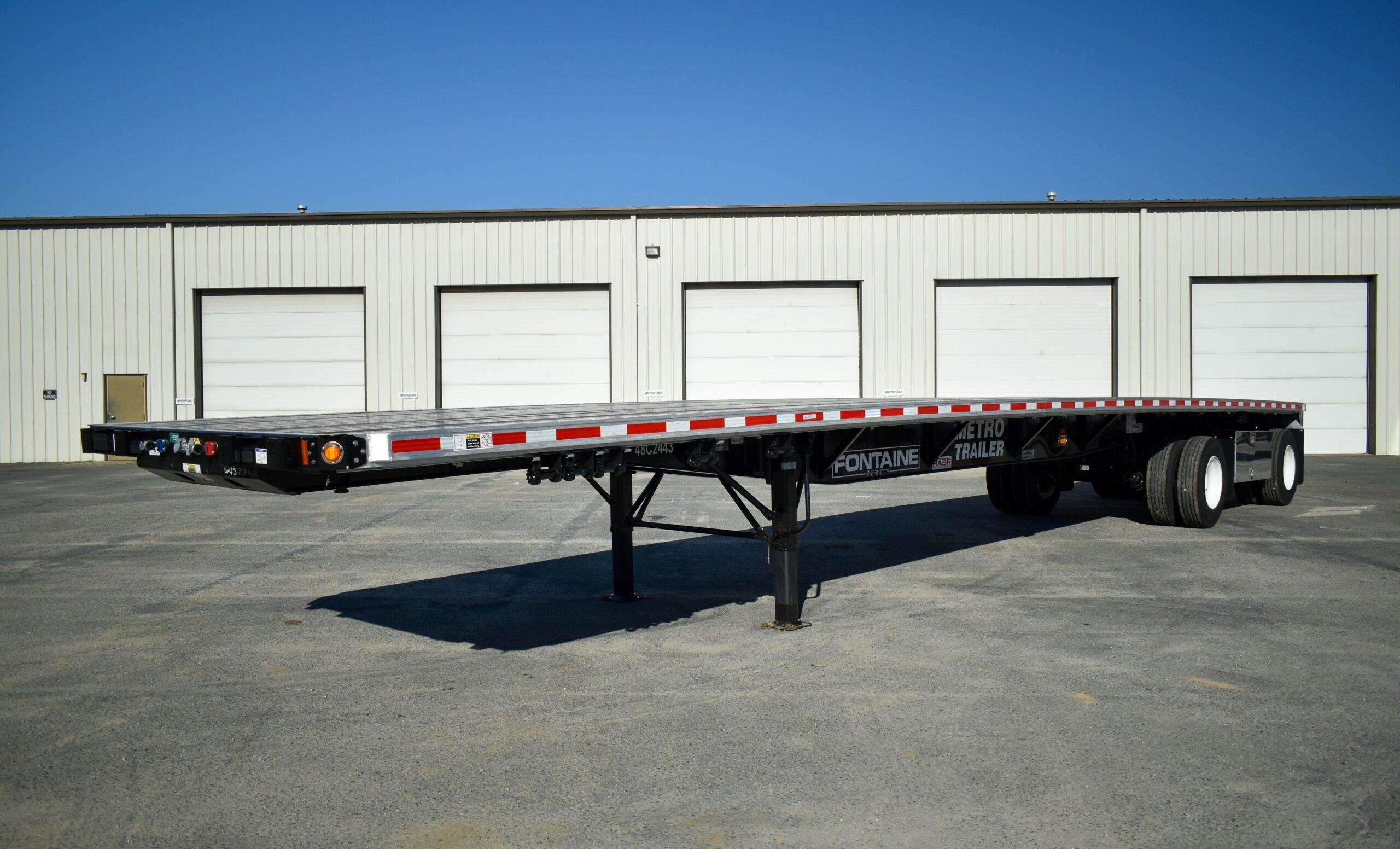
A flatbed trailer features an open platform without permanent walls or a roof. Its level deck provides a straightforward space for carrying freight that can withstand exposure to outdoor conditions or receive protection from tarps when necessary.
The open design gives crews access to the freight from the sides, rear, and above. That flexibility makes flatbeds useful when forklifts, cranes, or other equipment need to reach cargo without working around the walls of an enclosed trailer. Businesses can use a flatbed trailer rental when they need this loading flexibility without adding equipment to their permanent fleet.
Flatbeds commonly handle construction materials, machinery, fabricated components, and other freight that fits within applicable dimensional limits. Their uninterrupted deck can also simplify positioning when a load has a long footprint.
Step Deck Trailers Give Cargo More Vertical Clearance
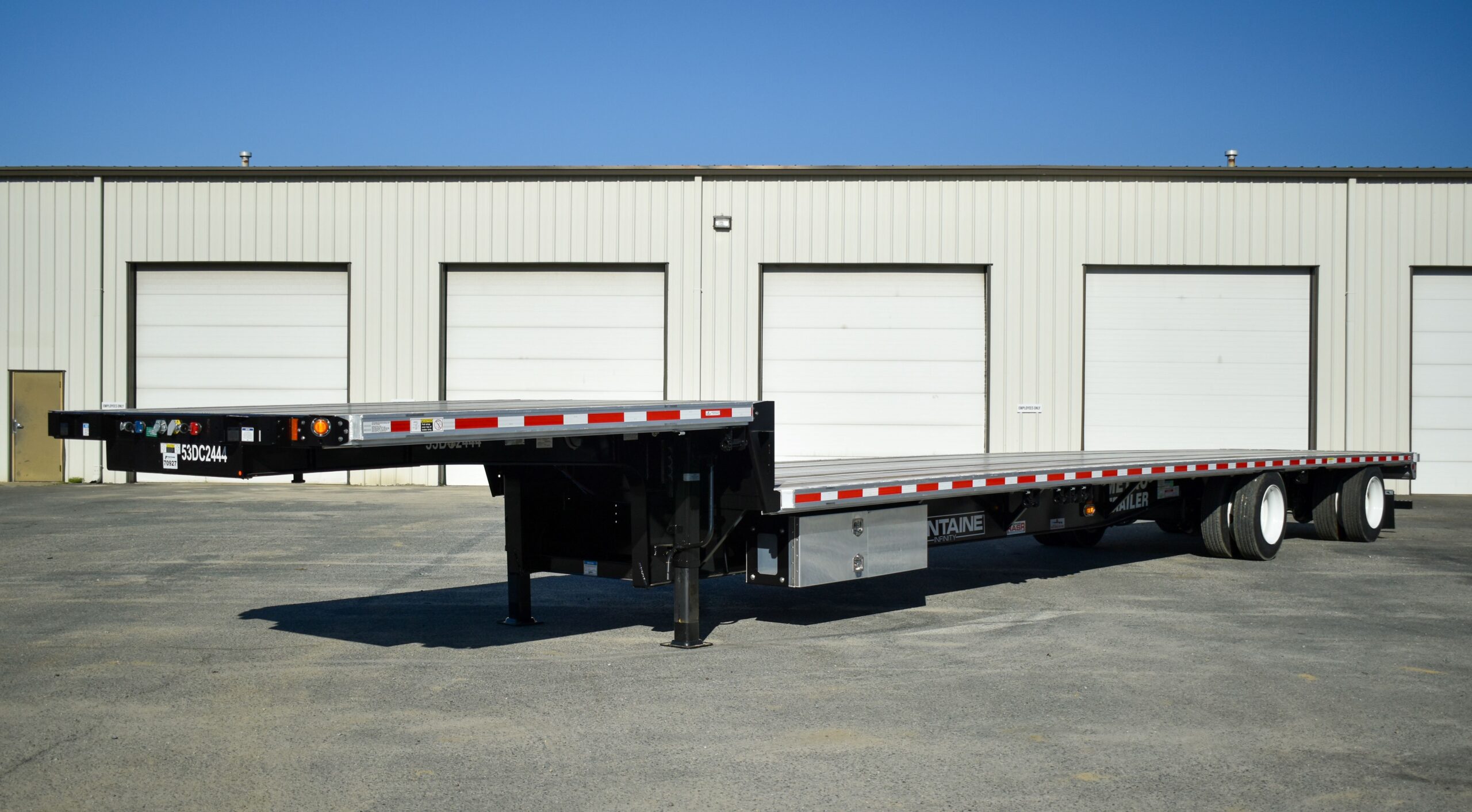
A step deck trailer, sometimes called a drop deck trailer, uses two deck levels rather than one flat platform. The upper deck sits over the tractor area, while the main lower deck drops closer to the roadway.
That lower section gives taller freight more vertical space while keeping the overall loaded height lower than it would sit on a standard flatbed. As a result, a step deck can accommodate certain loads that would create height concerns on a flatbed.
Equipment with substantial height makes a step deck worth considering. The lower deck provides a practical solution for machinery and other large freight that does not need the same uninterrupted deck height from front to rear.
Flatbeds Make Loading Straightforward
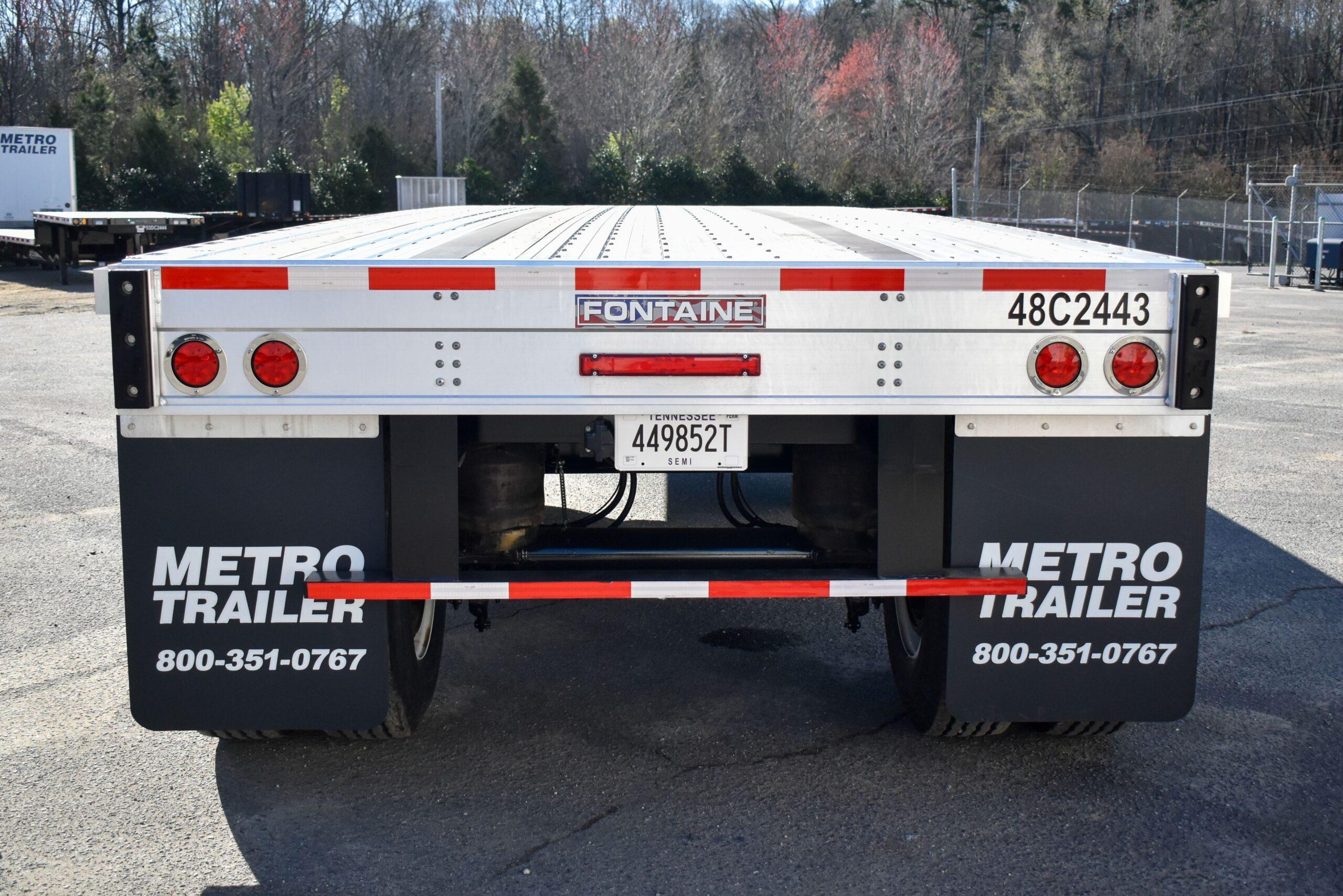
Loading methods can quickly influence the trailer decision. Because a flatbed has one level deck, crews can position cargo from several directions without accounting for a change in deck height. Side loading works well when a forklift needs direct access to pallets or materials, and overhead loading can accommodate freight that requires a crane. Rear access provides another option when the site layout favors loading from behind the trailer.
The flat deck can also simplify load planning for long materials. When cargo fits safely within the trailer’s dimensional and weight requirements, crews can focus on placement and securement without working around a lower deck transition.
Before choosing a trailer, consider how the freight will reach the deck:
- Review the equipment available at the loading and unloading sites.
- Confirm the cargo dimensions before selecting a trailer type.
- Account for securement needs when planning freight placement.
- Check route requirements for loads that may exceed standard dimensions.
Thinking through these factors before pickup reduces complications at the dock or jobsite.
Step Decks Work Well When Load Height Creates a Challenge
Some freight fits comfortably on an open trailer in terms of length and width but stands too tall for a standard flatbed configuration. A step deck addresses that issue by positioning much of the load closer to the ground.
This difference matters for tall machinery and equipment with fixed vertical dimensions. Instead of placing the entire load at standard flatbed deck height, a step deck allows the tallest portion to sit on its lower section.
However, the split-level design also affects usable deck space. Shippers should consider where each piece of cargo will sit rather than looking only at total trailer length. The upper and lower sections may support different parts of the load depending on its dimensions.
Your Cargo Dimensions Should Drive the Trailer Choice
Trailer selection should start with accurate measurements rather than assumptions about the load. Height represents a major difference between flatbeds and step decks, but it is only one part of the decision.
Measure the freight at its widest, longest, and tallest points, including any attachments that will remain in place during transport. Shippers should also know the cargo weight and consider how that weight will sit across the trailer.
Route planning matters when freight exceeds standard legal dimensions. Oversized loads may require permits or face restrictions that vary by jurisdiction and route. Choosing a lower deck may address a height concern, but it does not eliminate the need to evaluate other dimensional requirements.
Loading Sites Can Determine Which Trailer Works Better
The freight itself tells only part of the story. Conditions at the origin and destination can affect whether a flatbed or step deck provides the more practical option.
A facility that regularly uses forklifts for side loading may benefit from the straightforward access of a flatbed. A jobsite unloading tall equipment may have different needs. Available space, surface conditions, and unloading equipment can all influence how efficiently crews handle the shipment.
Shippers should review both ends of the trip before reserving equipment. A trailer that works well at pickup still needs to support a practical unloading process at the destination.
The Right Trailer Depends on the Specific Hauling Job
Ultimately, determining whether flatbed or step deck trailers are right for you comes down to the characteristics of the freight and the demands of the trip. Flatbeds offer an open, level platform that works well for long or consistently sized loads. Step decks provide a lower main deck that can better accommodate freight with greater height.
Neither trailer type serves every shipment. Accurate cargo measurements and a clear understanding of loading requirements provide a stronger basis for making the choice. Businesses should also consider applicable regulations and route limitations when moving oversized freight.
Metro Trailer Leasing Can Assist With Your Equipment Needs
The right trailer makes freight planning more manageable, especially when load dimensions require something beyond an enclosed trailer. Metro Trailer Leasing provides trailer rental and leasing options for trucking and shipping companies nationwide.
We focus on straightforward service and equipment solutions for customers with a range of hauling and storage needs. If you need a flatbed for an upcoming job or want to discuss trailer options for your operation, contact Metro Trailer Leasing to talk through your equipment requirements.