

Flatbed Trailers for Rent: Key Features Explained
Transporting heavy equipment or oversized freight requires a trailer that accommodates the load while supporting safe and efficient operations. Flatbed trailers offer an open design that gives trucking companies greater flexibility when handling cargo that enclosed trailers cannot accommodate. Their accessible decks make them a practical option for industries that regularly transport machinery, building materials, and other large shipments.
However, flatbed trailers vary in their dimensions, weight ratings, and equipment configurations. Understanding these differences allows fleet managers to select equipment that matches their transportation requirements. Several key features of flatbed rental trailers influence how well a flatbed performs during loading and transportation.
Open Deck Designs Accommodate Oversized Cargo
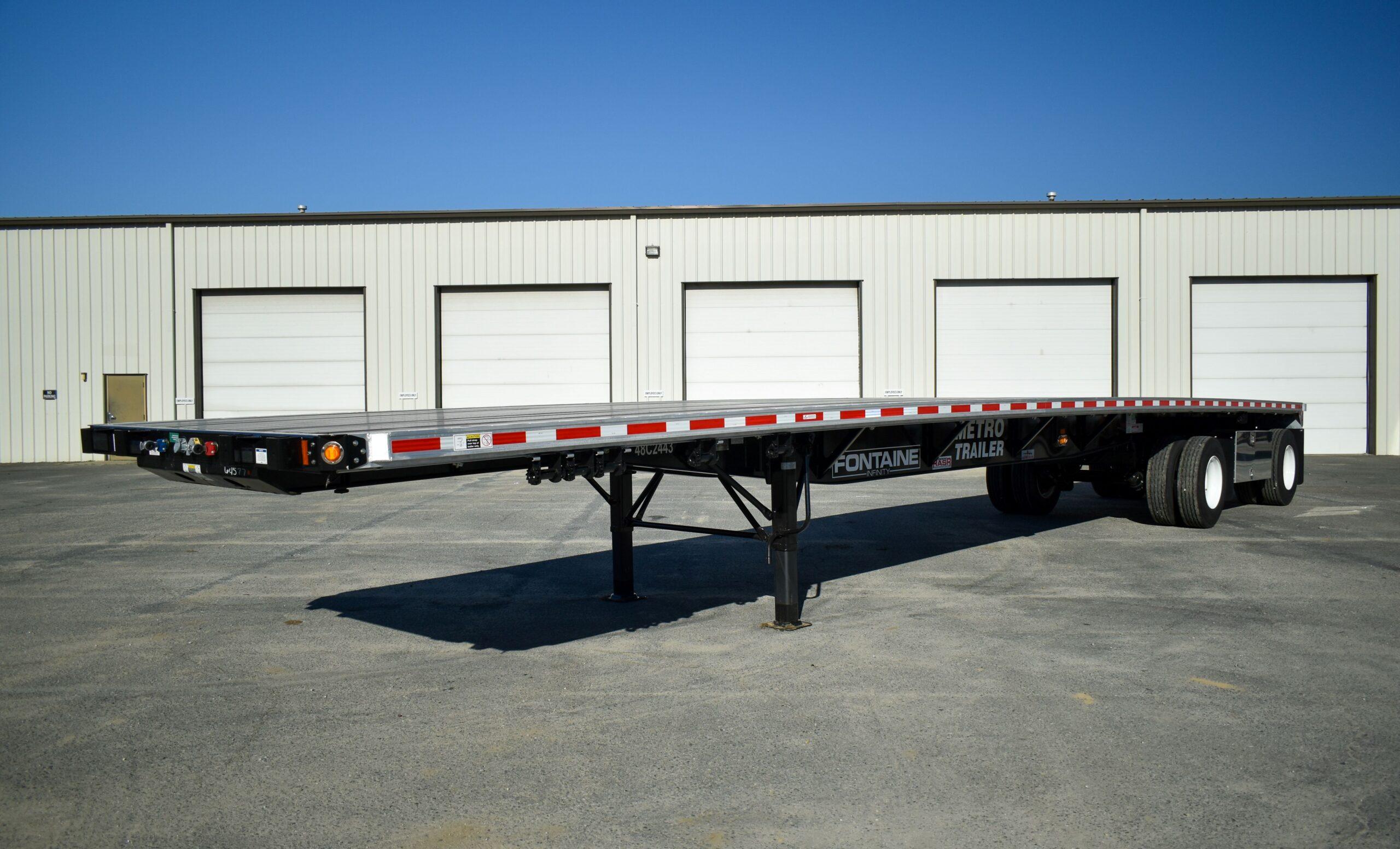
Flatbed trailers feature an open platform without permanent walls or a roof. This design accommodates freight that exceeds the interior dimensions of conventional dry van trailers while providing space for irregularly shaped equipment.
The absence of an enclosure also gives loading crews access to cargo from multiple directions. Forklifts can approach from the side, while cranes can lower heavy equipment directly onto the deck, making flatbeds particularly useful when facilities lack traditional loading docks.
When evaluating flatbed trailers for rent, businesses should consider how the open deck affects their cargo requirements. Weather-sensitive freight may need additional protection, while durable materials benefit from unrestricted loading access.
Deck Dimensions Determine Available Cargo Space
Trailer dimensions directly influence the size and arrangement of freight that operators can transport. Standard flatbed trailers commonly measure 48 or 53 feet long, with many models featuring decks approximately 8.5 feet wide. These measurements provide a starting point for determining whether a shipment fits within the available space.
However, cargo dimensions alone do not establish whether a load meets transportation regulations. Equipment that extends beyond standard width limits may require oversize permits, while tall cargo demands careful consideration of overall vehicle height.
Before selecting a trailer rental, operators should compare shipment measurements against the trailer’s specifications and applicable route restrictions. Accurate measurements reduce loading complications and minimize the risk of transportation delays.
Load Capacity Ratings Establish Safe Weight Limits
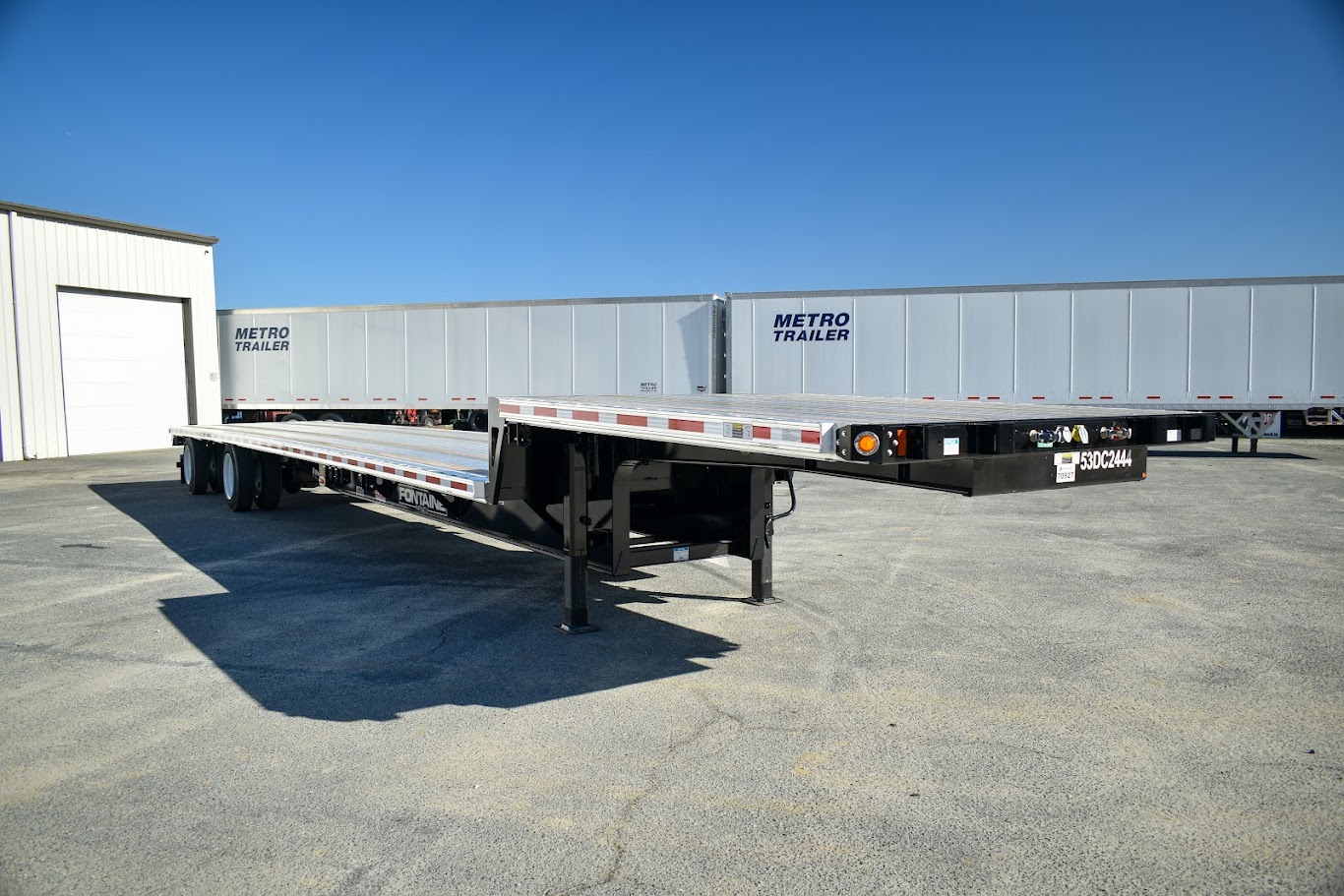
Weight capacity represents one of the most important specifications when selecting a flatbed trailer. Every trailer has structural limits that determine how much weight it can safely carry under appropriate operating conditions.
Manufacturers assign gross vehicle weight ratings based on engineering specifications, but legal cargo capacity also depends on the tractor’s capabilities and axle configuration. Trailer empty weight further influences how much freight the combination can accommodate.
Fleet managers must also consider cargo weight distribution and applicable roadway restrictions. A flatbed trailer’s advertised capacity does not automatically represent its legal payload for every shipment, so operators should verify the combined equipment weight before transportation begins.
Tie-Down Features Support Proper Cargo Securement
Flatbed trailers rely on securement equipment to prevent cargo movement during transportation. Without permanent walls to contain freight, operators must use appropriate restraints that match the shipment’s weight and characteristics.
Many flatbed configurations include stake pockets, rub rails, or designated attachment points that accommodate compatible securement equipment. Drivers commonly use chains or straps to restrain cargo, depending on the available anchor points and working load limits.
Federal cargo securement regulations establish minimum requirements for commercial transportation, including restraint strength and tie-down quantities. Before renting a trailer, operators should examine its securement features and determine whether they accommodate the intended freight.
Trailer Construction Affects Durability and Empty Weight
Flatbed trailers must withstand substantial forces during regular transportation, making the trailer’s construction materials an important consideration. Manufacturers commonly use steel or aluminum, with each material offering different advantages.
Steel provides structural strength and often carries a lower initial equipment cost, while aluminum can reduce a trailer’s empty weight. Some manufacturers combine materials to balance structural requirements with weight considerations.
Deck surfaces also vary between flatbed models, with wood and aluminum being among the most common available options. When comparing rental equipment, operators should consider how construction materials affect trailer weight and durability while reviewing the equipment’s overall condition.
Axle Configurations Influence Weight Distribution
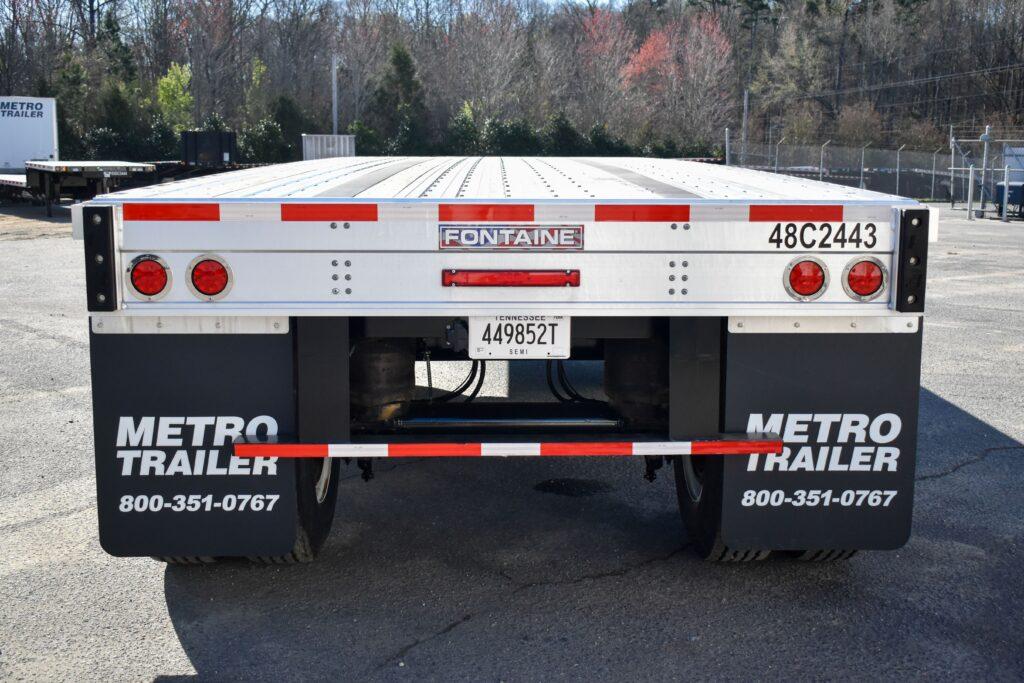
A flatbed trailer’s axle arrangement determines how it distributes weight across the transportation equipment. Most standard flatbeds use tandem-axle configurations, although specialized models may include additional axles for different hauling requirements.
Axle placement affects cargo positioning because concentrating excessive weight in one section can create loading problems even when the shipment falls within the trailer’s overall weight rating. Proper positioning also influences the tractor’s drive axles and the trailer’s suspension system.
Some trailers feature sliding axle assemblies that allow operators to adjust axle positioning within the equipment’s design limits. Reviewing these specifications before renting allows transportation teams to identify potential weight distribution challenges and plan accordingly.
Rental Flexibility Supports Changing Freight Requirements
Transportation demand often changes throughout the year as businesses take on seasonal projects or temporary contracts. Renting a flatbed trailer allows companies to access suitable equipment without committing to permanent ownership, particularly when their hauling requirements fluctuate.
Rental arrangements also give operators opportunities to evaluate trailer specifications before considering longer-term leasing commitments. Businesses can select equipment that suits individual assignments while maintaining flexibility as operational demands change.
Before signing a trailer rental agreement, fleet managers should confirm rental periods and maintenance responsibilities. Discussing equipment availability and return requirements also allows companies to coordinate trailer rentals with existing transportation schedules.
Choose Flatbed Equipment That Matches Your Hauling Needs
The key features of flatbed trailers for rent demonstrate why understanding trailer specifications matters when planning freight transportation. From deck dimensions to cargo securement capabilities, each trailer feature influences how operators handle different shipments and select equipment for their hauling requirements.
At Metro Trailer Leasing, we provide flatbed trailer rental and leasing options for businesses with varying transportation needs. Our nationwide service allows us to work with trucking companies that need equipment for short-term assignments or longer-term operations.
Whether you’re expanding your fleet or preparing for an upcoming hauling project, our team can discuss available trailer options and rental requirements. Contact Metro Trailer Leasing today to explore our flatbed trailer rental options and find equipment that suits your transportation needs.