

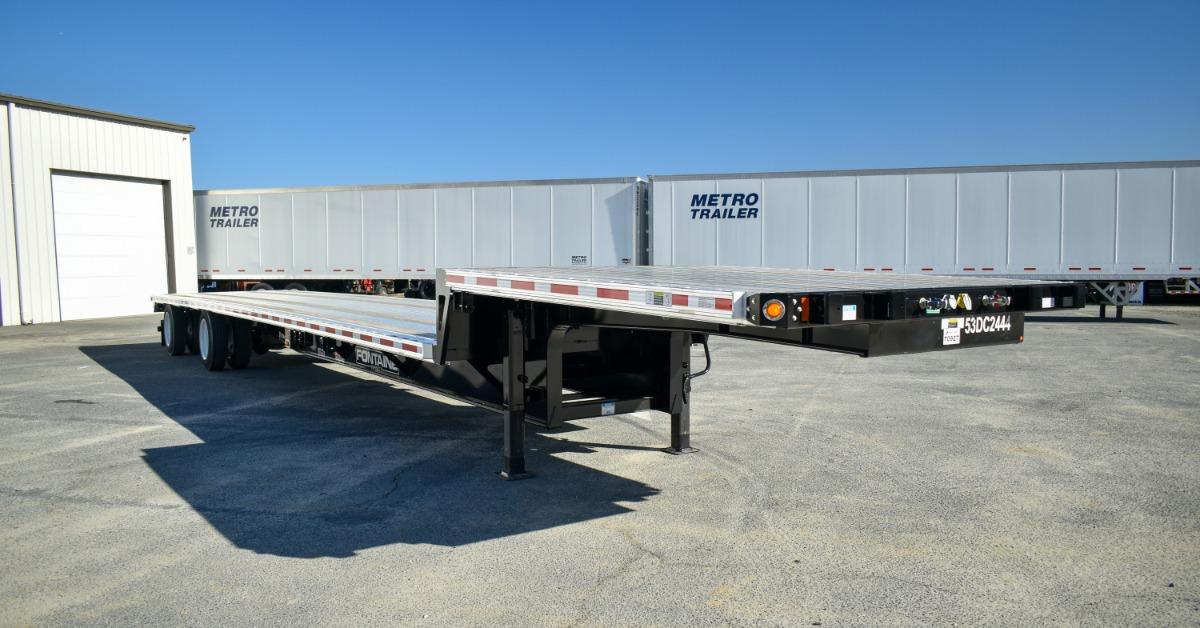
Flatbed Trailer Best Practices for Heavy and Oversized Loads
Transporting heavy and oversized cargo requires more than simply placing freight on a trailer and securing it. Every load presents unique challenges that affect safety, compliance, equipment performance, and delivery schedules. Companies that move machinery, construction materials, industrial equipment, or oversized components need a clear understanding of proper loading and transportation procedures.
Flatbed trailers remain one of the most versatile solutions for hauling large freight because they provide open access from all sides and accommodate cargo that exceeds standard trailer dimensions. However, operators must follow proven methods to reduce risks and maintain control throughout the trip. The following flatbed trailer best practices for heavy and oversized loads can improve operational efficiency while supporting safer transportation outcomes.
Proper Load Assessment Starts the Process
Every successful haul begins with a detailed evaluation of the cargo. Weight, dimensions, center of gravity, and cargo characteristics all influence how a load should be positioned and secured. Some oversized items have uneven weight distribution that creates additional stress on trailer components, while others include protruding sections that require special permits or escort vehicles.
Before loading begins, transportation teams should verify total cargo weight, overall dimensions, weight concentration points, lifting requirements, securement needs, and permit obligations. A thorough assessment identifies potential challenges early and allows operators to make informed decisions before equipment arrives at the loading site.
Correct Weight Distribution Protects Equipment and Stability
Weight distribution directly affects trailer performance on the road. Improper cargo placement can overload axles, reduce steering control, and increase braking distances. Heavy freight should sit in positions that distribute weight evenly across the trailer while remaining within axle and equipment ratings.
Many loading issues occur when teams focus solely on fitting cargo onto the trailer deck rather than balancing weight correctly. Even when a shipment falls within legal weight limits, poor placement can create handling problems that increase operational risk. Careful positioning reduces strain on tires, suspension systems, and trailer frames while promoting safer travel conditions.
Securement Methods Must Match Cargo Characteristics
Different types of freight require different securement strategies. Chains, binders, straps, edge protectors, and blocking materials each serve specific purposes depending on the cargo being transported. Selecting the proper securement equipment begins with understanding the weight, shape, and movement potential of the load.
For example, a piece of heavy machinery requires different securement techniques than structural steel or prefabricated materials. Securement systems should prevent forward movement, backward movement, side-to-side shifting, vertical bouncing, and rotation during transit. Federal cargo securement regulations establish minimum standards, but many transportation professionals exceed those requirements to provide additional protection. Drivers should also inspect securement systems throughout the trip because road vibration and changing conditions can affect cargo stability.
Trailer Selection Impacts Hauling Performance
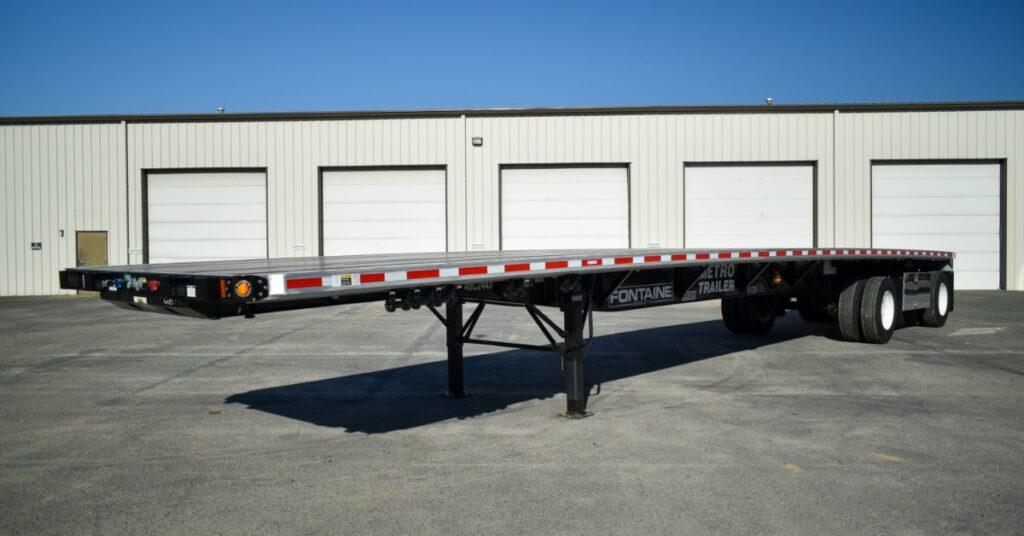
Not every flatbed configuration suits every oversized load. Equipment selection affects safety, compliance, and operational efficiency from the moment loading begins. While standard flatbeds handle many transportation needs, specialized equipment may provide a better solution for unusually large or heavy freight.
Load dimensions often determine whether a standard flatbed, step deck, or other trailer configuration offers the best fit. Companies searching for flatbed trailers for rent should evaluate cargo requirements carefully before selecting equipment, as trailer capacity, deck height, axle configuration, and tie-down options all influence transportation performance. Choosing the right trailer can reduce loading challenges and improve overall shipment management.
Route Planning Reduces Transportation Obstacles
Oversized loads face restrictions that standard freight often avoids. Low bridges, narrow roads, construction zones, and weight-restricted routes can create significant complications if transportation teams fail to account for them during planning.
Effective route planning begins well before the truck leaves the yard. Transportation professionals should review each segment of the trip and identify any obstacles that could affect safe travel. Permit requirements often dictate approved routes and operating schedules, while some jurisdictions limit oversized movements during peak traffic periods or certain weather conditions. Advanced preparation reduces delays and allows carriers to maintain compliance throughout the trip.
Ongoing Equipment Inspections Prevent Problems
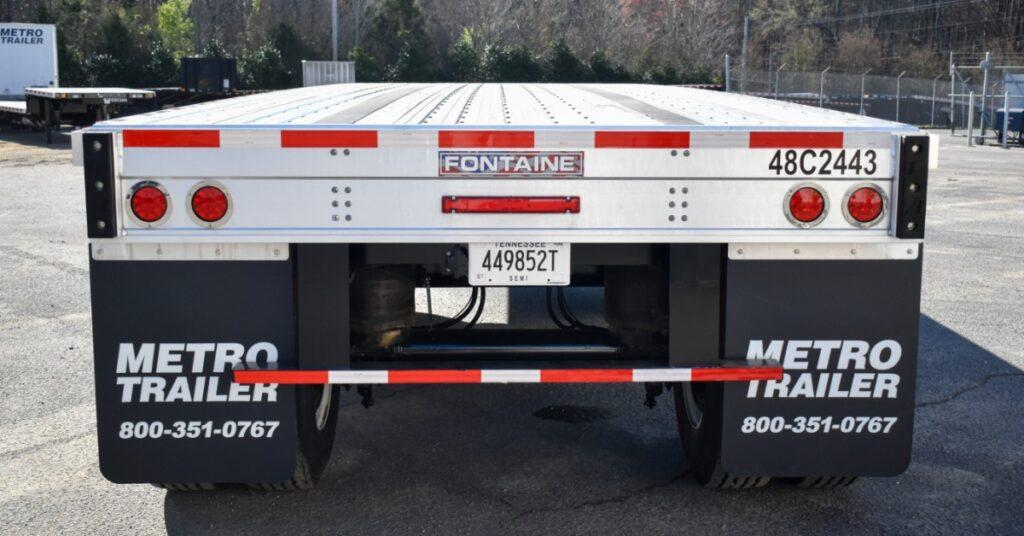
Equipment condition plays a major role in transportation safety. Thorough inspections allow operators to identify concerns before they create larger problems on the road. Drivers should examine the tires, brakes, suspension components, lighting systems, trailer structures, and securement equipment before every trip.
Heavy-haul transportation places substantial demands on equipment, making regular inspections even more important. Wear, damage, and mechanical issues can affect performance and increase operational risks. Inspection responsibilities must continue throughout the journey as drivers perform scheduled stop checks to verify cargo stability and equipment condition. Consistent maintenance practices contribute to reliability and support longer equipment life.
Communication Improves Load Management
Heavy-haul transportation involves coordination between shippers, loading personnel, drivers, permit agencies, and receiving teams. Strong communication keeps everyone aligned and reduces the likelihood of misunderstandings that could affect safety or scheduling.
Accurate cargo information allows transportation teams to prepare the appropriate equipment and securement systems. Updates regarding weather conditions, route changes, or delivery schedules allow stakeholders to respond quickly when circumstances change. Effective communication also supports safer loading operations by keeping everyone informed about cargo characteristics, lifting procedures, and transportation requirements.
Regulatory Compliance Supports Safe Transportation
Oversized freight transportation involves numerous federal, state, and local regulations, and compliance extends far beyond obtaining permits. Transportation professionals must understand requirements related to cargo securement, vehicle inspections, driver qualifications, equipment specifications, and travel restrictions.
Regulations often vary from one jurisdiction to another. A shipment that meets requirements in one state may require additional permits or restrictions elsewhere. Staying informed about current regulations protects businesses from fines, delays, and operational disruptions. More importantly, compliance supports safer transportation practices for all motorists sharing the roadway.
Partnering With the Right Equipment Provider Strengthens Operations
Reliable equipment forms the foundation of successful heavy-haul transportation. Businesses need access to trailers that match freight requirements and perform consistently under demanding conditions. Working with an experienced trailer provider gives companies greater flexibility when project requirements change.
At Metro Trailer Leasing, we provide nationwide trailer rental and leasing solutions for companies that need dependable transportation equipment. Our fleet includes flatbed trailers and other trailer options designed to support a wide range of hauling applications. Whether you need equipment for a short-term project or a long-term transportation strategy, we can help you identify the right trailer for your operation.
Heavy and oversized freight demands careful planning, proper equipment selection, and attention to detail throughout the transportation process. By following these flatbed trailer best practices for heavy and oversized loads, companies can improve safety, reduce operational challenges, and support more efficient deliveries.