

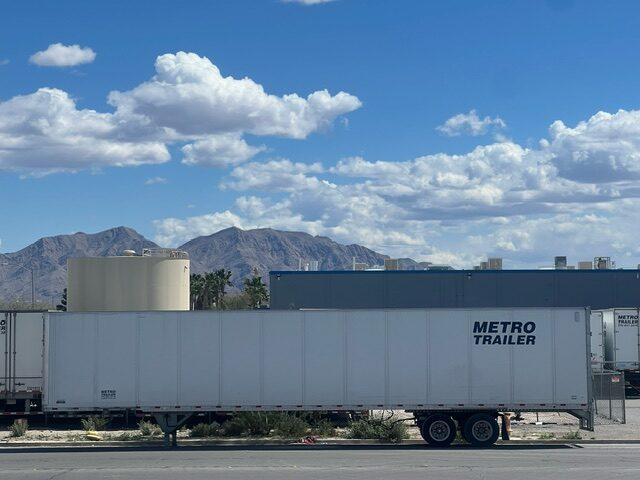
7 Freight Planning Challenges Dry Van Rentals Solve
Freight planning rarely follows a perfectly predictable schedule. Shipment volumes change, customers adjust orders, and available equipment may not always line up with the routes a carrier needs to cover. These variables create gaps between freight demand and trailer capacity, putting pressure on dispatchers and fleet managers to keep goods moving without adding unnecessary long-term commitments.
Dry van rentals give transportation teams another way to respond when their existing fleet cannot meet immediate needs. By adding trailer capacity for a defined period, companies can adapt to changing freight requirements while keeping their permanent fleet aligned with typical demand. Understanding the freight planning challenges dry van rentals solve makes it easier to decide when temporary equipment belongs in a transportation plan.
Dry Van Rentals Address Short-Term Capacity Gaps
Even well-planned fleets encounter periods when available trailer capacity falls below shipment demand. A large order, an unexpected customer request, or a temporary increase in freight volume can leave a company searching for additional equipment.
Renting dry vans allows a fleet to add capacity without purchasing equipment solely to cover a short-lived need. Once freight demand returns to its usual level, the company can return the rented trailers rather than keeping excess equipment in its fleet.
This flexibility gives planners more room to respond to changes that occur after they have established their original transportation schedule. Instead of reshuffling every available trailer to cover additional loads, they use rental equipment to close a temporary capacity gap.
Rental Trailers Support Seasonal Freight Surges
Seasonality creates major differences in trailer demand from one part of the year to another. Retail cycles, agricultural schedules, and other recurring changes in shipping activity increase freight volume for weeks or months before demand settles again.
Companies that maintain enough owned or leased equipment for peak periods may have more trailers than they need during slower months. Dry van trailers for rent provide an alternative for fleets that need added capacity during defined seasonal windows.
Freight planners can match rental periods more closely to anticipated demand rather than sizing their permanent fleet around the busiest point of the year. That distinction makes capacity planning more adaptable when shipment volumes follow recognizable seasonal patterns.
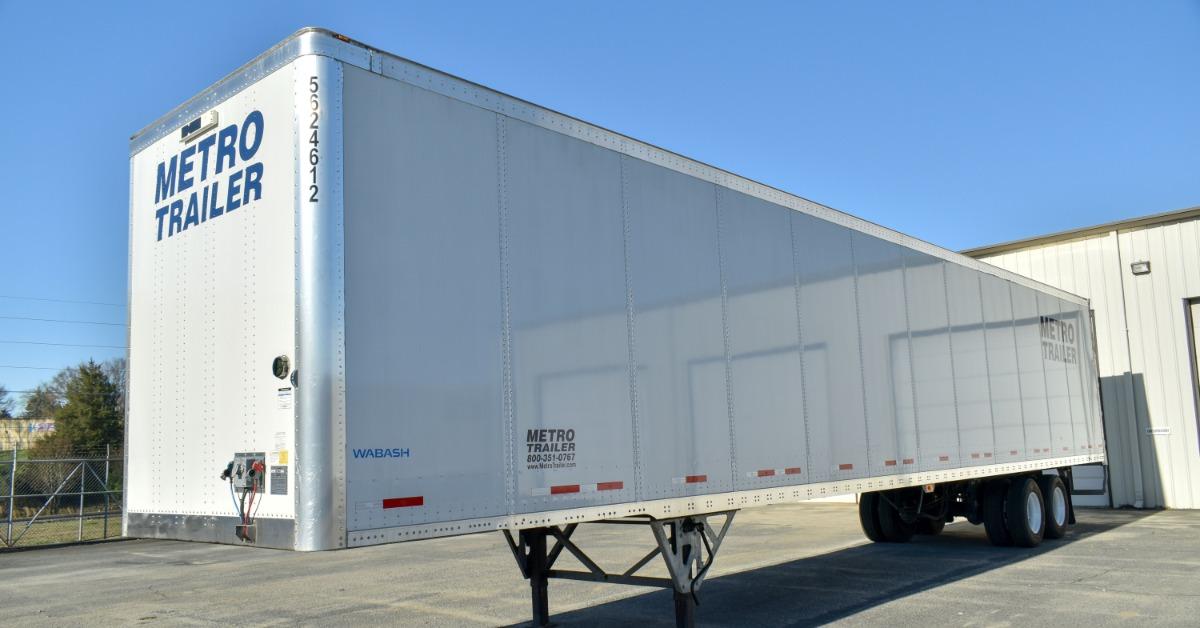
Rentals Provide Capacity During Trailer Maintenance
Trailers occasionally need scheduled maintenance or repairs that temporarily remove them from service. When several units become unavailable around the same time, a fleet may have enough freight to move but too little usable equipment to cover its planned loads.
Rental trailers fill some of that temporary capacity while company equipment remains out of service. Planners can maintain access to dry vans without changing long-term fleet size simply because a portion of their equipment requires maintenance.
Before arranging rental equipment for this purpose, teams should consider factors such as:
- Expected maintenance timelines
- Number of trailers temporarily unavailable
- Freight volume during the affected period
- Required trailer specifications
- Pickup and return logistics
Reviewing these details allows planners to estimate the amount of temporary capacity they actually need rather than making a broad adjustment to the fleet.
Rentals Give Growing Operations More Planning Flexibility
Business growth does not always happen at a steady pace. A carrier may add customers quickly, enter a new market, or see shipment volumes increase before it knows whether the higher demand will continue.
Immediately expanding a permanent fleet may create a long-term commitment before the company has enough information about its future freight needs. Rentals provide additional capacity during that transition period.
Fleet managers use rented dry vans while monitoring how new freight patterns develop. If higher demand continues, they can evaluate longer-term equipment needs with more operating information available. If demand changes, they have greater flexibility to adjust capacity without retaining equipment acquired specifically for an uncertain growth period. Among the freight planning challenges dry van rentals solve, changing capacity during periods of growth stands out because it gives companies time to understand new shipping requirements before making longer-term fleet decisions.
Dry Van Rentals Cover Temporary Project Needs
Some freight requirements have clear start and end dates. A customer contract, facility transition, special distribution project, or other temporary assignment may create demand that falls outside a fleet’s normal operating pattern.
These situations complicate equipment planning because the additional trailers may only serve a specific project. Purchasing equipment for that limited period could leave the fleet with unused capacity after the work ends.
Rental dry vans let companies align additional equipment with the duration of the project. Planners can determine how many trailers the work requires, arrange capacity for the necessary period, and return that equipment after completing the assignment. This makes temporary projects easier to incorporate into an existing fleet plan without treating every new requirement as a permanent change.
Rentals Reduce Pressure From Unpredictable Demand
Forecasting gives freight planners a valuable starting point, but actual shipment volume can differ from projections. Customer orders may rise unexpectedly, production schedules can change, and new freight opportunities may appear with limited notice. A fleet built only around average demand may struggle during these periods. At the same time, maintaining substantial unused capacity throughout the year creates another planning concern.
Rental equipment gives companies an option between those two extremes. When actual demand moves above available trailer capacity, planners can consider adding dry vans for the period in which they expect the higher volume to continue.
That flexibility does not eliminate the need for forecasting. Instead, it gives freight planners another capacity option when real-world demand differs from the forecast they used to build the original plan.
Rental Capacity Supports Changing Customer Requirements
Customer needs can shift faster than a fleet’s long-term equipment plan. Existing customers may increase shipment frequency, while new accounts can introduce freight volumes that planners did not anticipate when they established fleet capacity.
Rental dry vans allow transportation companies to respond to those changes without immediately restructuring their permanent fleet. A company can add equipment for a customer’s increased shipping activity and then reevaluate its needs once the new freight pattern becomes clearer.
This option proves especially useful when the duration or consistency of the additional business remains uncertain. Planners gain time to see whether higher freight volumes represent a lasting change or a temporary spike before determining whether they need a long-term equipment solution.
Match Dry Van Capacity to Changing Freight Needs
Effective freight planning requires more than estimating how many trailers a fleet needs under normal conditions. Teams also need options for handling periods when available capacity and shipment demand no longer match.
Dry van rentals address seasonal surges, temporary projects, equipment downtime, and other fluctuations without requiring every short-term need to become a permanent fleet commitment. The right rental strategy depends on the expected freight volume, operating schedule, and equipment requirements involved.
At Metro Trailer Leasing, we provide dry van trailer rentals and leases for businesses with changing transportation requirements. Whether you need additional equipment for a temporary increase in freight or want to evaluate a longer-term trailer solution, contact us to discuss the equipment that best fits your operation.