


Navigating the Unique Storage Needs of Growing Businesses
Business growth brings welcome opportunities, but it can also create new challenges behind the scenes. Inventory increases, work areas become crowded, and existing storage space may no longer match daily operations. Navigating the unique storage needs of growing businesses requires owners and managers to think beyond how much space they need today and consider how their requirements may change as demand shifts.
An effective storage plan gives a business room to operate without forcing it into a permanent facility decision before the time is right. Companies can evaluate what they store, how frequently employees need access to those items, and where additional capacity would support smoother operations. Flexible options make it easier to respond as storage requirements evolve.
Flexible Storage Capacity Accommodates Changing Inventory Levels
Growing businesses rarely experience perfectly consistent inventory levels. A retailer may need additional merchandise ahead of a busy season, while a transportation company could need space for supplies or equipment during a temporary surge in activity. Fixed storage capacity can become restrictive when these fluctuations occur.
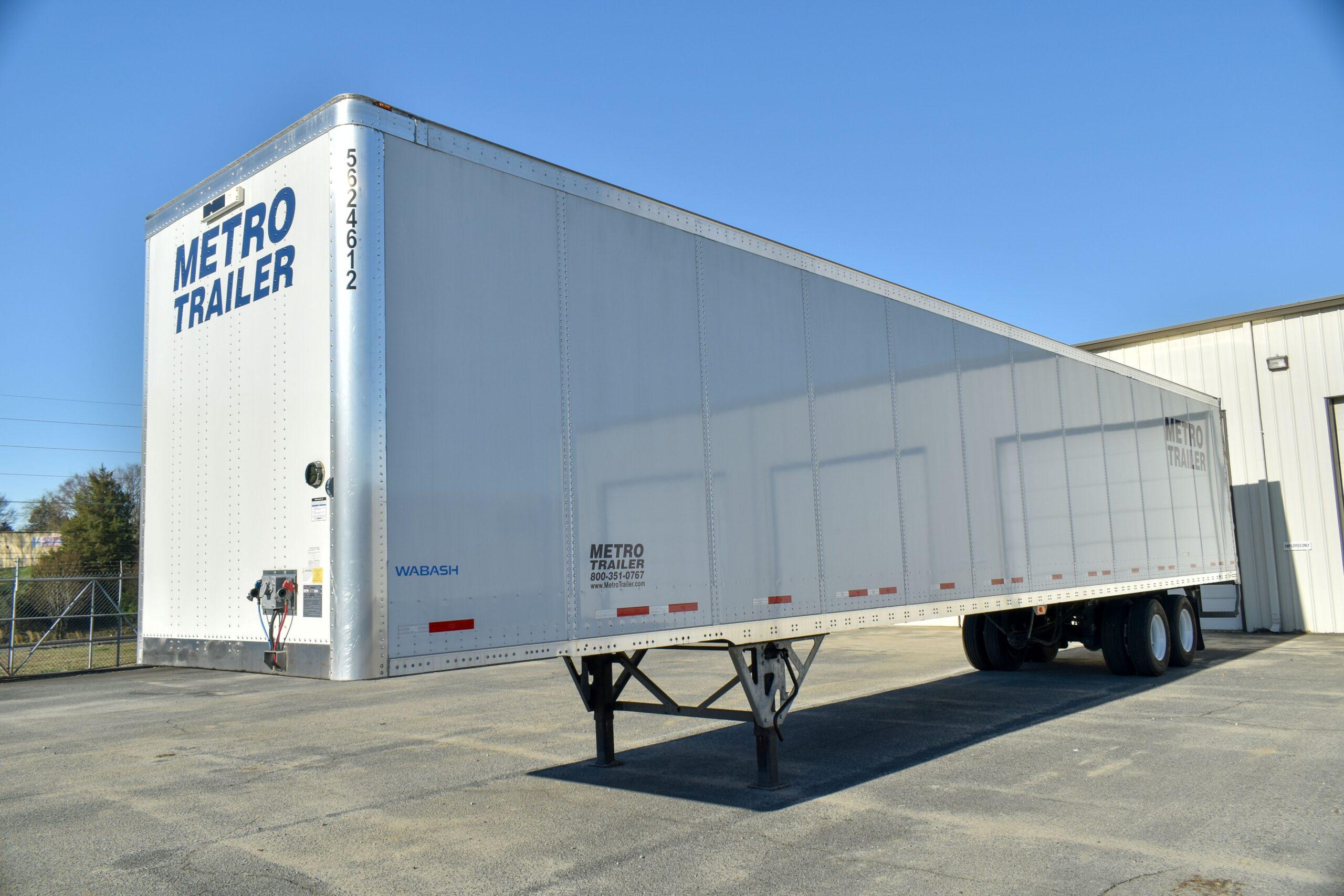
Adding flexible storage space allows a company to adjust without immediately expanding its building or committing to another permanent location. A business can rent a storage trailer when it needs additional capacity near an existing facility, then reassess that need as operations change.
This flexibility also allows managers to separate temporary storage demands from long-term facility requirements. Instead of making a major property decision because of a short-term space shortage, the company can evaluate its growth over a longer period.
Organized Storage Keeps Valuable Workspace Available for Operations
Extra inventory often finds its way into areas originally intended for other purposes. Boxes may begin filling work areas, supplies can take up valuable floor space, and equipment may occupy locations that employees need for everyday tasks. As a company grows, these compromises interfere with efficient operations.
Dedicated storage capacity gives businesses a place to move items that do not need to remain inside the primary workspace. Employees can then use existing facilities for the activities they were designed to support.
Businesses should evaluate which items require frequent access before relocating anything to supplemental storage. Frequently used materials may need to remain close to active work areas, while surplus inventory or seasonal supplies make better candidates for separate storage.
Accessible Storage Supports More Efficient Daily Workflows
Storage capacity alone does not solve every space problem. Businesses also need to consider where stored materials sit in relation to the employees who use them. An inconvenient storage arrangement adds unnecessary handling or travel to routine tasks.
Managers can start by looking at how goods move through their operations. Items that employees retrieve regularly should remain easy to reach, while products that stay in storage for longer periods can occupy less prominent locations.
When evaluating a storage location, businesses can consider some practical questions:
- How often will employees need the stored items?
- Can workers reach the storage area without disrupting normal operations?
- Does the location provide enough room for loading and unloading?
- Will the arrangement remain practical if inventory volume increases?
Answering these questions gives managers a clearer picture of whether additional storage will support everyday work rather than simply provide more square footage.
Scalable Storage Gives Businesses More Room To Adapt
A growing company may know that it needs more storage without knowing exactly what its requirements will look like several months from now. That uncertainty makes scalability especially valuable. Storage arrangements that fit current operations should leave room for adjustment as business conditions change.
For example, a company could experience steady growth that gradually increases inventory volume. Another business might see sharp seasonal changes that create temporary space demands. In either situation, managers benefit from evaluating storage as an operational resource rather than treating every capacity issue as a permanent real estate problem.
Regular reviews keep the storage plan aligned with actual needs. Businesses can monitor how much space they use and whether stored items remain accessible. When requirements change, managers can decide whether to add capacity, reduce it, or reorganize what they already have.
Storage Planning Prepares Businesses for Seasonal Demand
Seasonality creates a distinct challenge because a company may need considerably more space for part of the year than it does during slower periods. Retail inventory, promotional materials, and other seasonal goods can quickly consume space that the business needs for normal operations.
Planning ahead allows companies to identify these periods before storage becomes a bottleneck. Managers can review previous inventory patterns, upcoming orders, and expected demand to estimate when additional capacity may become necessary.
Timing matters as well. Waiting until a facility reaches its limit leaves employees working around crowded areas while managers search for a solution. Evaluating storage requirements before peak periods gives the business more opportunity to organize incoming goods and decide where different inventory should go. Once demand returns to normal, managers can reassess capacity instead of automatically maintaining space they no longer need. That flexibility keeps storage decisions connected to current business conditions.

Mobile Storage Keeps Inventory Close to the Business
Distance affects the practicality of any storage arrangement. Moving goods to an off-site facility may create extra transportation requirements each time employees need to retrieve or replace inventory. For some businesses, keeping supplemental storage closer to the primary operation offers a more convenient alternative.
Storage trailers provide additional capacity at a business location when the property and operating conditions support trailer placement. That proximity makes stored inventory easier to incorporate into established workflows.
On-site storage also simplifies the process of separating inventory by purpose. A business might reserve its main building for active stock while moving slower-moving products into supplemental space. The right arrangement depends on the company’s property, inventory, and access requirements, so managers should evaluate the site before choosing a solution.
Storage Decisions Should Reflect Long-Term Business Priorities
Growth can make an immediate storage shortage feel urgent, but the best response should still fit the company’s broader operational plans. Businesses need to distinguish between temporary capacity pressure and a lasting need for more space.
A company expecting continued expansion may eventually require a larger permanent facility. Until that decision makes operational and financial sense, flexible storage provides useful breathing room. Businesses facing seasonal demand or temporary inventory increases may find that adaptable capacity remains a better match over time.
Navigating the unique storage needs of growing businesses ultimately comes down to aligning available space with changing operations. Regularly evaluating capacity, accessibility, and inventory practices allows managers to spot problems before crowded storage begins affecting everyday work.
Metro Trailer Leasing Provides Flexible Storage Trailer Options
When additional storage space makes sense for your operation, the right equipment provider can make the process more straightforward. Metro Trailer Leasing offers storage trailer rentals as part of our nationwide trailer rental and leasing services.
We work with companies that need practical trailer storage solutions. If your growing business requires additional storage capacity, contact Metro Trailer Leasing to discuss your plans and available storage trailer options.