

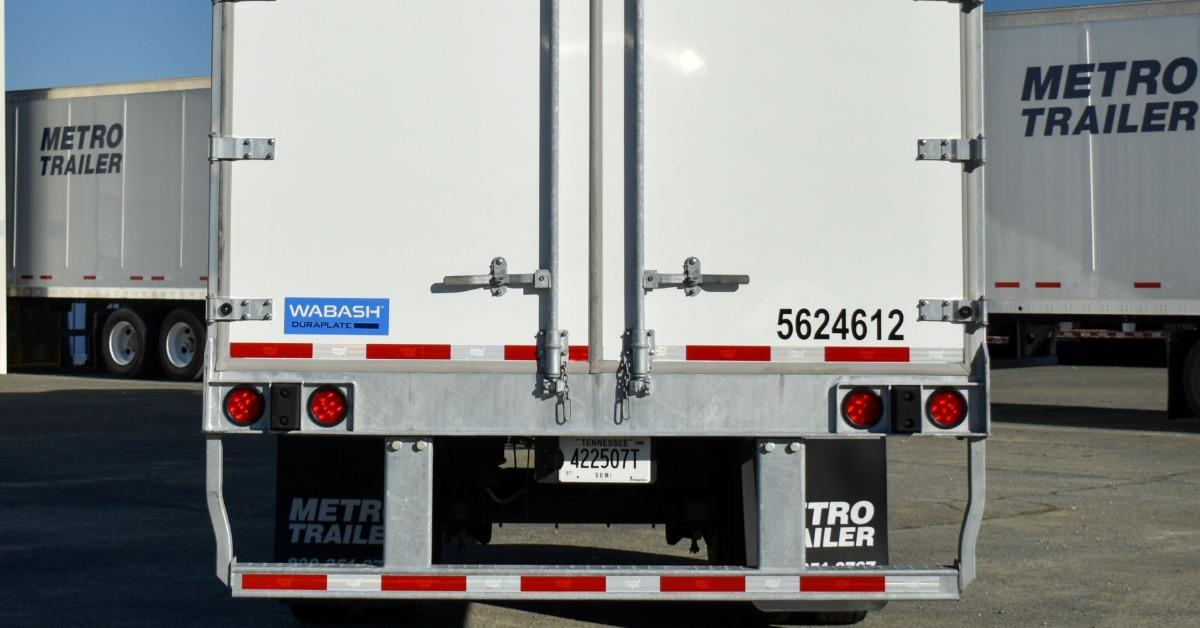
Common Cargo Types Best Suited for Dry Van Trailers
Moving freight starts with selecting the right equipment for the job. Dry van trailers remain one of the most common choices because they protect cargo from weather, road debris, and theft while accommodating a wide range of products. Businesses across transportation, manufacturing, retail, and distribution rely on dry vans to move freight safely between warehouses, distribution centers, and customer locations.
Understanding which products fit best inside a dry van helps companies improve efficiency, reduce the chances of cargo damage, and simplify shipping operations. While some loads require refrigerated or flatbed equipment, many everyday shipments travel successfully inside enclosed trailers. Common cargo types best suited for dry van trailers include everything from consumer goods to packaged industrial products, making these trailers an essential part of the supply chain.
Packaged Consumer Goods Fit Dry Van Trailers Well
Retail products represent one of the largest categories of freight transported in dry van trailers. Most consumer goods arrive packaged in cartons, shrink-wrapped pallets, or sealed containers that protect products during transit while allowing forklifts to load and unload trucks quickly.
Items such as clothing, household goods, personal care products, toys, and office supplies generally travel without requiring temperature control or specialized handling. Their packaging provides enough protection for enclosed transportation, while the trailer shields them from rain, snow, wind, and direct sunlight.
Companies often select dry vans because they offer consistent cargo security throughout regional and long-distance deliveries. Businesses looking for over-the-road trailer rentals frequently choose dry vans when transporting packaged retail freight between suppliers, fulfillment centers, and stores.
Palletized Food Products Travel Efficiently in Dry Vans
Many food products do not require refrigeration. Dry goods, canned foods, bottled beverages, baking ingredients, and shelf-stable packaged foods regularly move inside dry van trailers across the country.
Proper pallet configuration remains essential when transporting food products. Stable loads reduce cargo movement during transit and protect cartons from crushing. Shippers often use stretch wrap, corner boards, and load bars to secure freight before departure.
Common palletized food shipments include:
- Canned vegetables and soups
- Boxed cereals and snack foods
- Flour, sugar, and baking mixes
- Bottled water and soft drinks
- Paper food packaging and disposable products
As long as products remain shelf stable and packaging protects them from contamination, dry van trailers provide an efficient transportation solution.
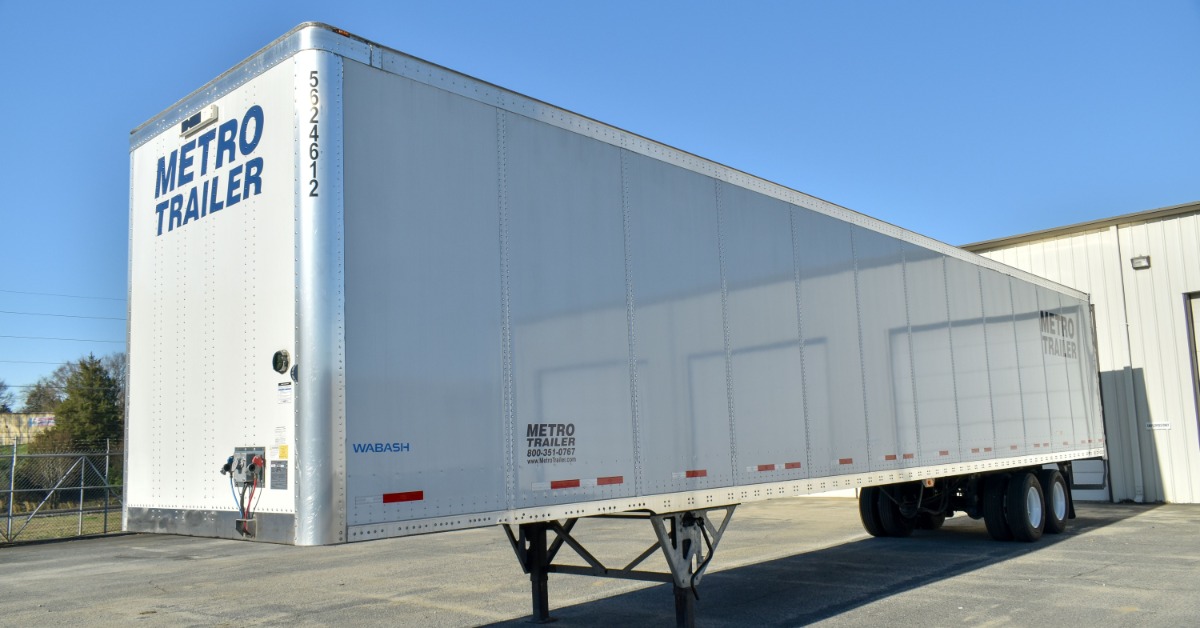
Manufacturing Materials Benefit From Enclosed Transportation
Manufacturers depend on reliable freight movement to keep production schedules on track. Many raw materials and finished components fit comfortably inside dry van trailers because they require protection rather than climate control.
Industrial supplies, such as boxed machine parts, packaged hardware, plastic components, electrical equipment, and fabricated metal products, often travel in enclosed trailers. Keeping these materials dry prevents corrosion, packaging damage, and contamination before they reach assembly facilities.
Shipping managers frequently standardize dry van transportation because loading docks, forklifts, and warehouse systems already accommodate enclosed trailers. That consistency streamlines operations while reducing loading delays.
Furniture and Home Goods Stay Protected During Transit
Furniture manufacturers and distributors frequently choose dry van trailers to transport assembled furniture, boxed home decor, mattresses, cabinetry, and household accessories. These products often feature finished surfaces that require protection from moisture and road debris.
Proper load planning minimizes movement inside the trailer. Workers commonly secure furniture with straps, load locks, and protective padding to prevent shifting throughout transportation.
Many home goods arrive inside retail-ready packaging, allowing warehouses to move products directly from incoming trailers to storage or outbound shipments without additional handling. This process improves efficiency while reducing opportunities for product damage.
Building Products Move Safely When Weather Protection Matters
Construction projects rely on countless materials that benefit from enclosed transportation. While oversized building supplies may require flatbed trailers, many construction products fit inside dry vans with ease.
Packaged flooring materials, electrical supplies, plumbing fixtures, insulation products, fasteners, paint accessories, and boxed tools often ship inside enclosed trailers. Keeping these materials dry protects both packaging and product quality before installation.
Some building products contain paper components or adhesives that perform best when moisture stays away. Dry van trailers create a protected environment that supports product integrity throughout transportation.
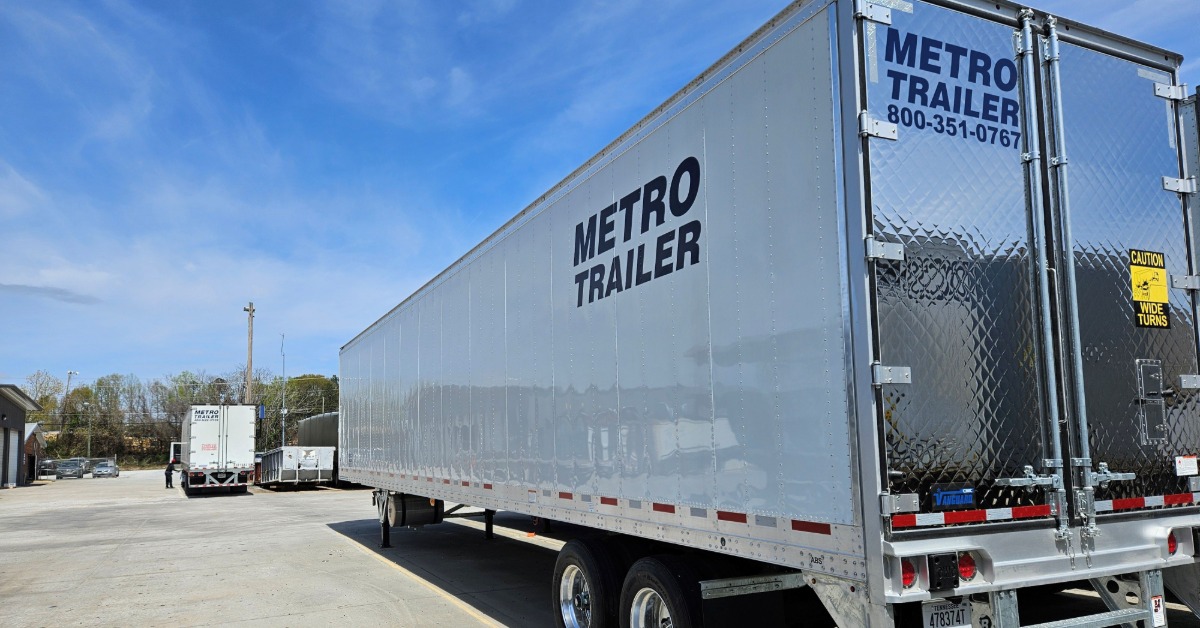
Paper Products and Packaging Ship Efficiently in Dry Vans
Paper remains especially vulnerable to moisture exposure. Even small amounts of water can ruin packaging materials, printing paper, and tissue products before delivery. Dry van trailers provide an enclosed environment that reduces those risks.
Companies regularly transport corrugated boxes, packaging materials, office paper, paper towels, napkins, disposable cups, and similar products using dry vans. Because these loads often occupy significant trailer space while weighing relatively little, dry vans accommodate them efficiently.
Packaging manufacturers also appreciate the clean interior environment offered by well-maintained trailers. Protecting finished packaging before it reaches customers helps maintain product quality throughout the supply chain.
Electronics Require Security and Stable Transportation
Many electronics shipments travel successfully inside dry van trailers when temperatures remain within acceptable ranges. Computers, televisions, networking equipment, small appliances, and consumer electronics typically ship in protective cartons designed for enclosed transportation.
Cargo security becomes especially important for high-value freight. Locking trailer doors, limiting stops, and following established transportation procedures reduce opportunities for theft.
Proper pallet placement also protects delicate equipment. Balanced weight distribution minimizes shifting while reducing stress on boxed products during normal highway travel. Common cargo types best suited for dry van trailers often include electronics because enclosed trailers combine cargo protection with efficient loading, making them a practical option for many manufacturers and distributors.
Selecting the Right Trailer Improves Shipping Performance
Choosing the proper trailer starts with understanding cargo characteristics. Businesses should evaluate product dimensions, packaging, weight, loading methods, and environmental requirements before scheduling transportation. Dry van trailers work best when freight remains protected inside an enclosed space without requiring refrigeration or oversized accommodations. Companies also benefit from selecting trailers that match shipment volume, allowing for efficient use of available cargo space.
Working with an experienced trailer provider simplifies equipment selection. Rental and leasing specialists can recommend trailer configurations that align with shipping schedules, freight types, and operational goals while minimizing costs.
At Metro Trailer Leasing, we provide dependable trailer solutions for businesses across the country. Whether you need equipment for seasonal demand, fleet expansion, or ongoing transportation operations, we offer nationwide dry van rentals and leasing options backed by responsive customer service. If you’re looking for reliable enclosed trailer equipment, contact us to discuss the right solution for your freight needs.