

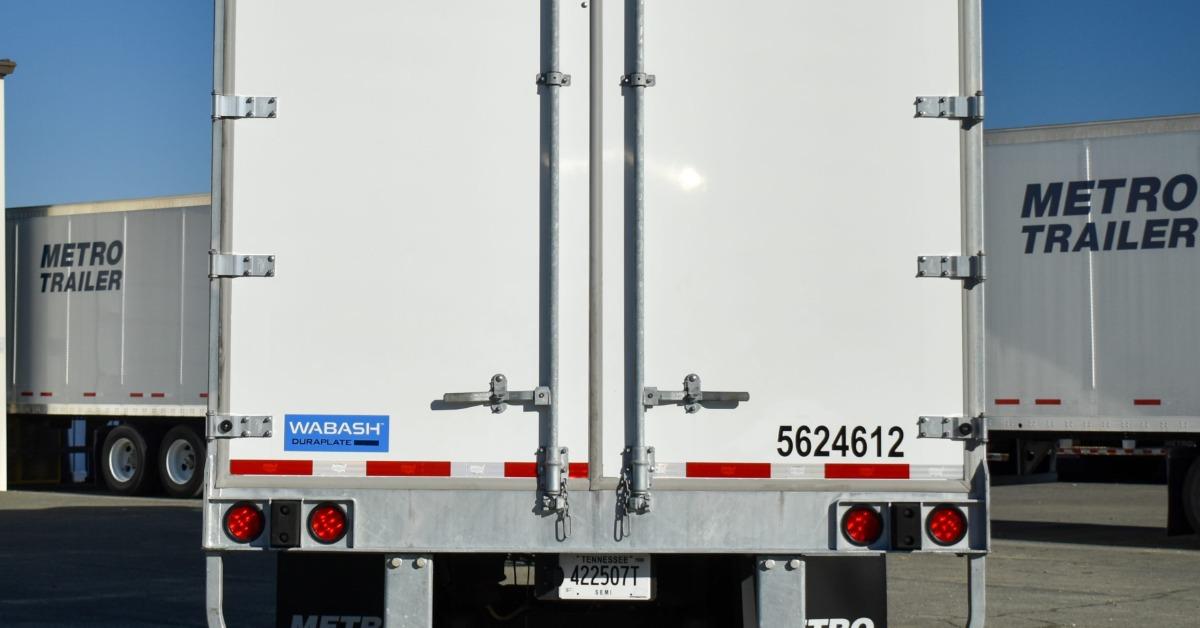
What Is Trailer Repositioning and Why Does It Matter?
Moving trailers from one location to another may seem like a routine task, but it has a significant impact on fleet efficiency and equipment availability. Companies that rely on trailers for transportation, storage, or jobsite operations need equipment in the right place at the right time. Trailer repositioning makes that possible by relocating assets where the demand exists instead of leaving the trailers idle.
Understanding what trailer repositioning is and why it matters gives businesses a better perspective on how trailer availability affects schedules, costs, and customer service. Whether a company manages a private fleet or rents equipment as needed, trailer repositioning supports smoother operations across every stage of the supply chain.
Trailer Repositioning Keeps Equipment Where It Is Needed Most
Trailer repositioning refers to moving empty trailers between locations to meet operational demand. Instead of allowing equipment to remain unused in one area, companies relocate their trailers to facilities, jobsites, or customer locations where they can serve another purpose.
Transportation demand can change throughout the year. Seasonal business, regional projects, and shifting freight volumes all create fluctuations in trailer requirements. Repositioning allows businesses to respond quickly without having to purchase additional equipment that may sit unused once demand decreases.
A reliable trailer rental company often manages repositioning behind the scenes to maintain equipment availability across its service network. Customers benefit from faster access to trailers without having to coordinate equipment movement themselves.
Strategic Repositioning Reduces Equipment Downtime
Idle trailers generate expenses without producing value. Parking equipment in the wrong location limits utilization while storage costs continue to accumulate. Trailer repositioning reduces those periods of inactivity by placing trailers into active service sooner.
Fleet managers regularly review equipment distribution to identify locations with excess inventory and areas experiencing shortages. They then schedule trailer repositioning moves before operational delays can occur whenever possible.
Businesses gain several advantages from reducing trailer downtime, including:
- Increasing trailer utilization across multiple locations
- Reducing unnecessary equipment purchases
- Improving response times for customer requests
- Supporting changing transportation schedules
- Maximizing the value of existing fleet assets
Every trailer that remains active contributes more value to the business than equipment sitting unused in a yard does.
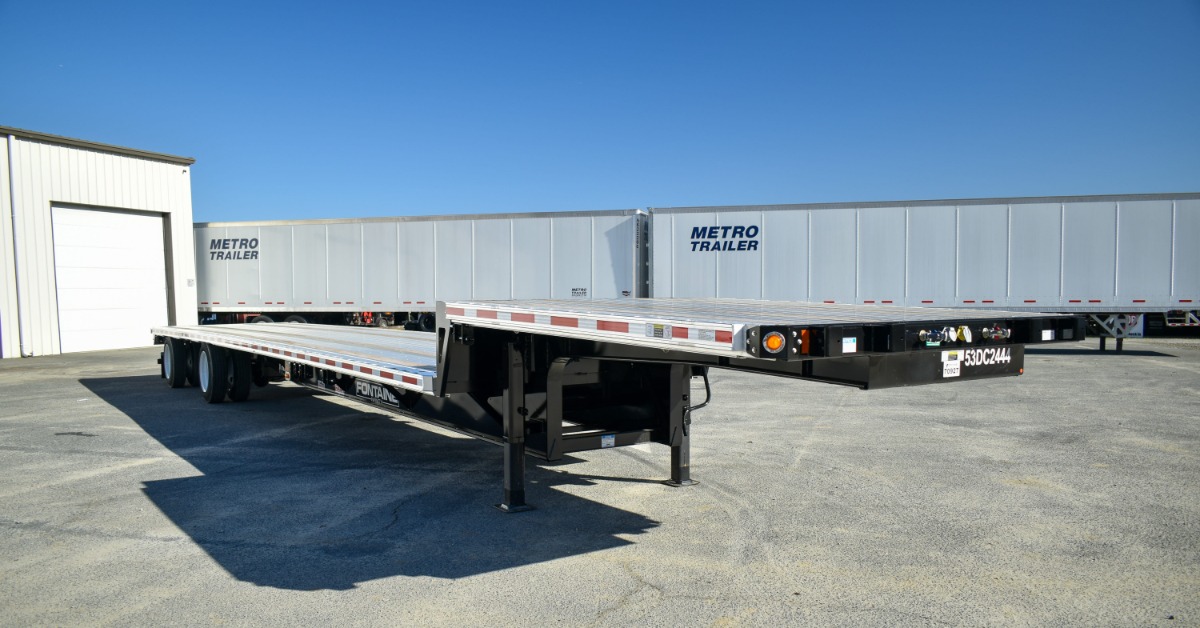
Efficient Trailer Placement Supports Better Customer Service
Customers expect equipment to arrive when promised. Delays caused by unavailable trailers can interrupt shipping schedules, postpone construction projects, or create storage challenges.
Effective trailer repositioning allows companies to meet customer needs more consistently. Instead of waiting days for equipment to travel across the country, businesses can access trailers that are already positioned nearby.
Organizations that depend on temporary storage trailers, dry vans, refrigerated units, or flatbeds often experience changing equipment needs throughout the year. Repositioning allows trailer providers to respond more quickly as those demands shift. Reliable trailer availability strengthens customer relationships because businesses can complete projects without interruptions.
Transportation Costs Improve When Repositioning Is Planned Carefully
Every trailer movement requires time, labor, and fuel. Random equipment transfers increase expenses while adding unnecessary mileage to the fleet.
Planning trailer repositioning schedules around anticipated demand creates more efficient transportation routes. Fleet managers often coordinate equipment movement alongside freight deliveries whenever practical. Combining loaded and empty trailer movements minimizes unnecessary travel and improves overall efficiency.
Data analysis has become increasingly valuable when making trailer repositioning decisions. Fleet operators review historical demand patterns, regional activity, and customer schedules before relocating equipment. Better planning reduces emergency moves while supporting consistent trailer availability. Small operational improvements made across hundreds or thousands of trailers can produce substantial long-term savings.
Seasonal Demand Makes Trailer Repositioning Even More Important
Many industries experience predictable periods of higher trailer demand. Construction projects often increase during warmer months, while retailers prepare for holiday inventory well before peak shopping seasons. And agricultural operations also create regional transportation shifts throughout the year.
Trailer repositioning allows providers to prepare equipment before these seasonal increases occur. Instead of reacting after shortages develop, companies relocate trailers in advance based on expected demand.
Preparing early reduces scheduling conflicts and minimizes equipment shortages during busy periods. Businesses receive faster access to trailers because providers have already positioned equipment where customers will need it. Planning ahead creates more flexibility for both fleet operators and customers.
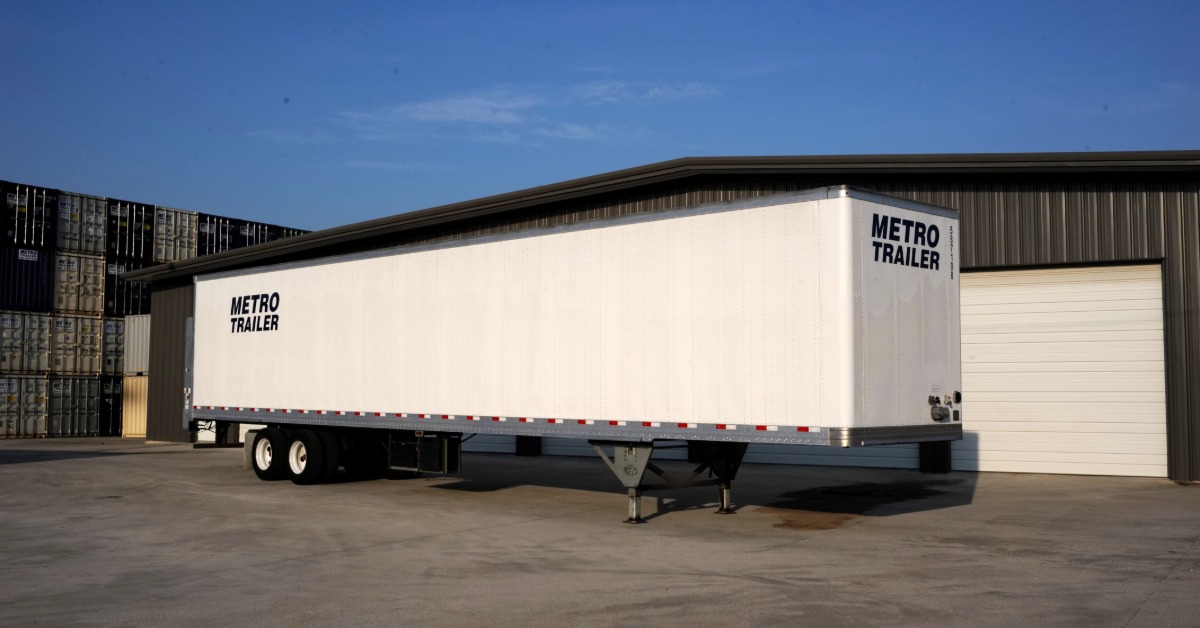
Technology Improves Repositioning Decisions Across Large Fleets
Modern fleet management systems provide greater visibility into trailer locations, utilization rates, and equipment availability. Rather than relying solely on manual reporting, companies can monitor assets in near real time.
GPS tracking, telematics, and fleet management software allow dispatchers to identify underused trailers and relocate them more efficiently. Historical usage reports also reveal patterns that support better long-term planning for repositioning.
Technology does not eliminate trailer repositioning challenges, but it provides stronger information for making informed decisions. Fleet managers can respond more quickly to changing conditions while maintaining balanced equipment distribution across multiple markets. These tools continue to improve operational efficiency as transportation networks become more complex.
Working With the Right Provider Simplifies Trailer Availability
Businesses often focus on trailer specifications when selecting equipment, but fleet support matters just as much. A provider that actively manages trailer repositioning can supply equipment more efficiently when customer needs change. Nationwide trailer coverage creates additional flexibility because trailers can move between regions more easily as demand shifts. Companies benefit from broader equipment availability without having to invest in large trailer inventories of their own.
At Metro Trailer Leasing, we manage a nationwide fleet that supports customers across transportation, logistics, construction, education, and retail industries. We work to position equipment where customers need it while providing rental and leasing options that fit changing business demands. If your operation requires dependable trailer availability, our team can help you identify the equipment that supports your schedule and operational goals.
Understanding what trailer repositioning is and why it matters highlights how thoughtful equipment management affects much more than transportation. Strategic repositioning improves trailer utilization, reduces unnecessary costs, strengthens customer service, and keeps businesses moving when demand changes. Companies that prioritize equipment availability often experience smoother operations because the right trailer arrives where and when it can provide the greatest value.