

Dry Van Trailers vs. Reefers: Which Is Right for You?
Trailer selection affects transportation costs, cargo protection, and operational efficiency. Many businesses compare dry vans and refrigerated trailers because both options support freight movement, yet each serves a different purpose. Dry van trailers remain one of the most common options in the transportation industry, while refrigerated trailers, often called reefers, provide temperature-controlled environments for sensitive cargo.
When determining whether dry van trailers or reefers are right for you, it helps to examine cargo requirements, operating costs, maintenance expectations, and long-term business goals. A clear understanding of these factors can lead to a more effective trailer rental or leasing decision.
Dry Van Trailers Offer Practical Solutions for General Freight
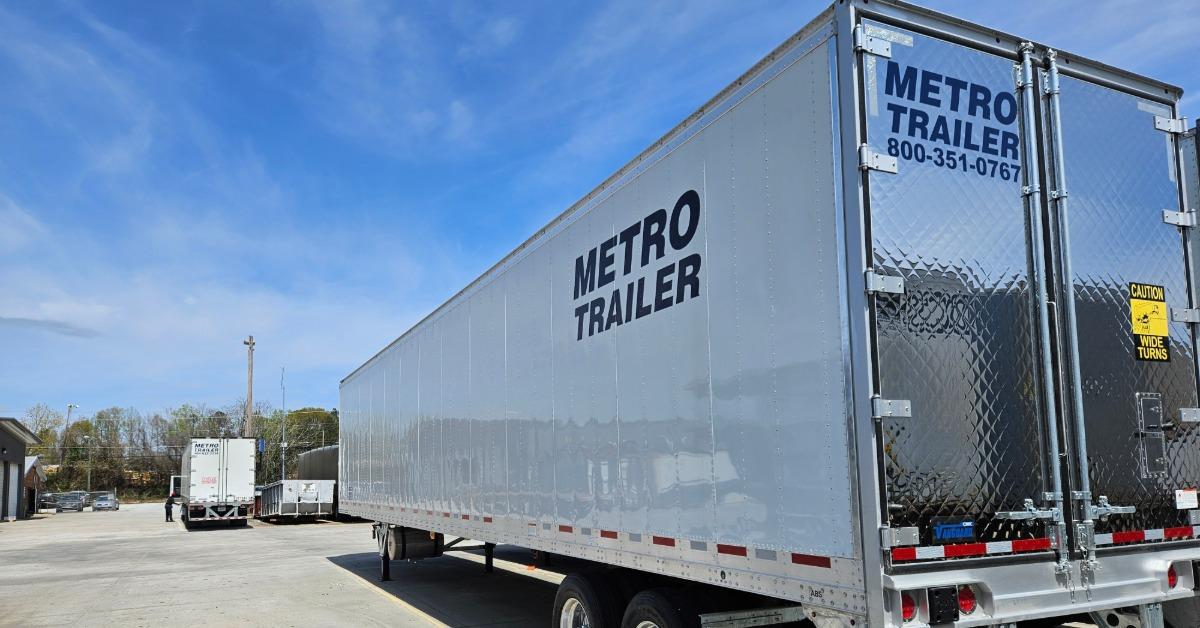
Dry van trailers transport a wide range of products that do not require temperature control. Retail merchandise, packaged goods, furniture, electronics, and industrial materials commonly travel in dry vans. The enclosed design protects freight from weather, road debris, and theft.
Many companies choose dry vans because they provide flexibility. A single trailer can accommodate different cargo loads throughout the year without requiring specialized temperature-management systems. Dry vans also simplify loading and unloading procedures; warehouse personnel generally encounter fewer handling requirements compared to refrigerated freight operations.
Refrigerated Trailers Protect Temperature-Sensitive Cargo
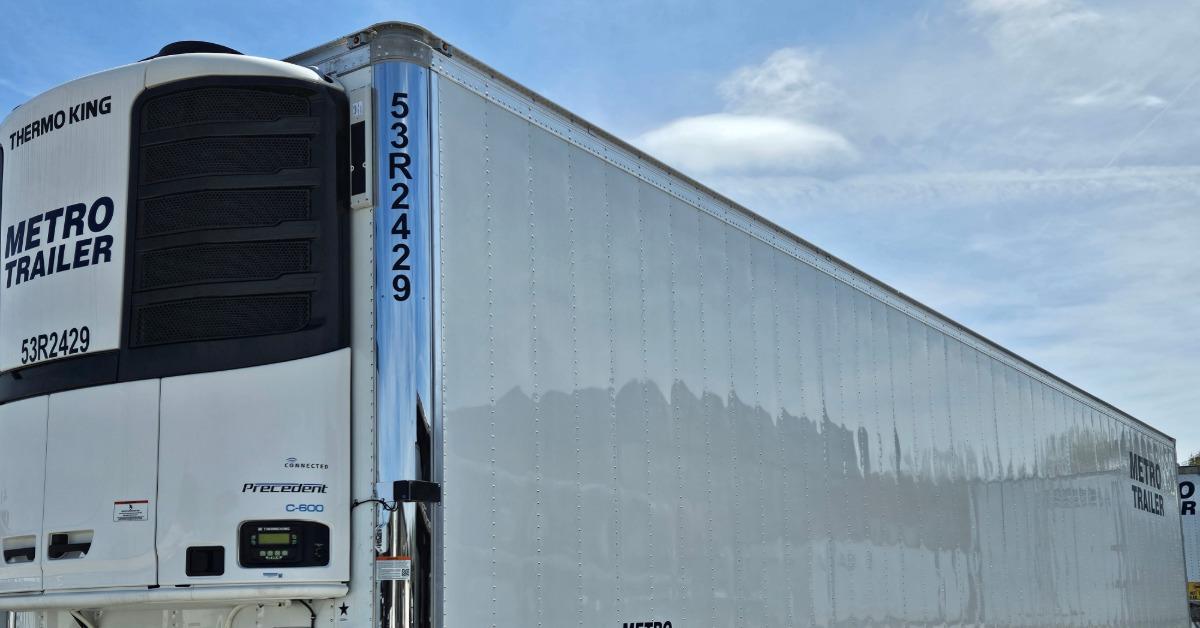
Some products require precise temperature control from origin to destination. Food distributors, pharmaceutical suppliers, floral businesses, and certain chemical manufacturers often rely on refrigerated trailers. Reefers contain integrated cooling systems that maintain specific temperature ranges during transit and storage. This capability reduces the risk of spoilage and protects product quality throughout the supply chain.
Temperature-sensitive freight often faces strict regulatory requirements. Refrigerated trailers allow operators to meet these standards while maintaining product integrity. Businesses that regularly transport perishable goods typically view refrigerated equipment as a necessity rather than an optional upgrade. Without refrigeration capabilities, many products would become unusable before reaching their destination.
Cargo Requirements Determine the Best Choice
The type of freight being transported serves as the most important factor in trailer selection. Companies should evaluate cargo characteristics before comparing trailer rental options.
Consider the following questions:
- Does the cargo require temperature control?
- Are there regulatory requirements for transportation?
- How long will shipments remain in transit?
- Does the freight have strict storage conditions?
The answers to these questions reveal whether a dry van or reefer is the better solution.
A company transporting packaged consumer goods may find a dry van perfectly suitable. A distributor moving frozen food products, however, requires refrigeration capabilities throughout transportation and storage. Matching trailer specifications to cargo requirements prevents unnecessary expenses while protecting freight.
Operating Costs Vary Between Equipment Types
Budget considerations also influence trailer decisions. Dry van trailers generally cost less to rent, lease, maintain, and operate than refrigerated units. Because dry vans lack refrigeration systems, they require fewer specialized components. This simplicity often translates into lower maintenance expenses and reduced downtime.
Refrigerated trailers involve additional operating costs since the refrigeration unit consumes fuel or power and requires routine service to maintain proper performance. Businesses should also consider inspection requirements and repair costs associated with cooling equipment. Even minor refrigeration issues can affect cargo quality and create financial losses.
Organizations transporting non-perishable products may find that a dry van delivers substantial cost savings over time. Those transporting temperature-sensitive freight usually accept the higher costs as part of maintaining product quality.
Storage Applications Favor Different Trailer Types
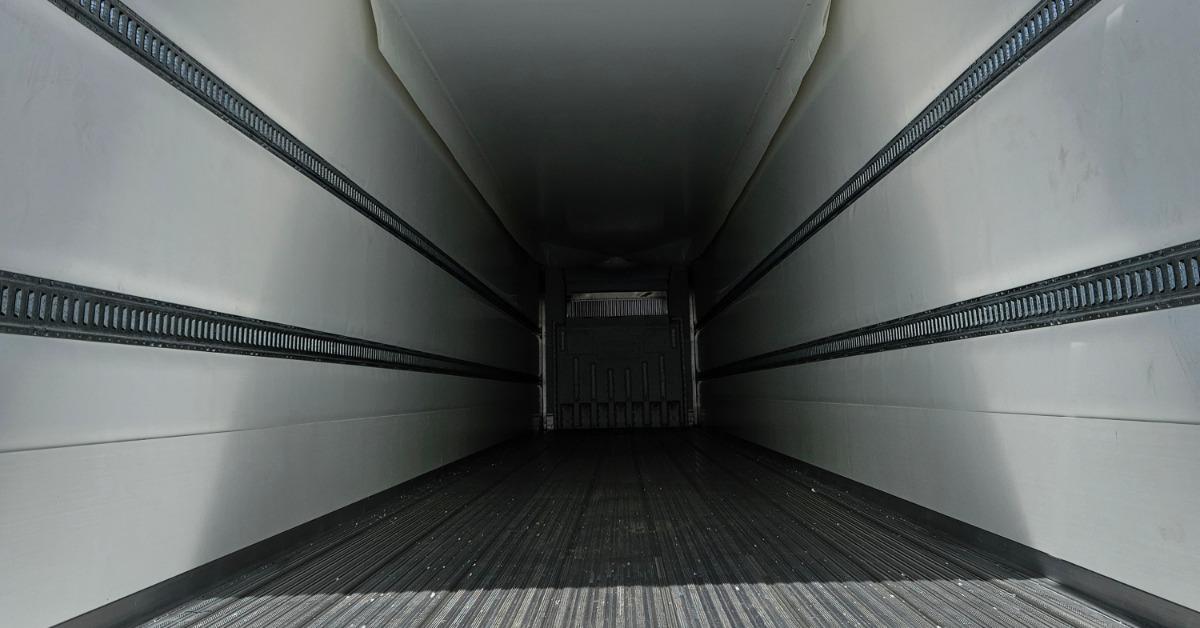
Many businesses use trailers for more than transportation. Temporary storage needs frequently influence equipment selection. Dry vans serve as effective mobile storage solutions for inventory overflow, seasonal merchandise, construction materials, and equipment. Their enclosed design offers protection while remaining cost-effective for extended use.
Companies searching for a local dry van trailer rental often need additional storage capacity near warehouses, retail locations, or distribution centers. Dry vans provide secure storage without the expense associated with refrigeration systems.
Refrigerated trailers support storage needs when products must remain within controlled temperature ranges. Grocery suppliers, food processors, and event operators frequently use reefers as temporary cold storage units.
Maintenance Demands Differ Across Trailer Types
Equipment reliability depends heavily on maintenance practices. Dry van trailers feature relatively straightforward systems that require routine inspections and general upkeep. Operators typically focus on structural integrity, doors, tires, brakes, and lighting systems. These maintenance tasks remain important but generally involve fewer specialized components.
Refrigerated trailers require additional attention since cooling units contain mechanical and electrical systems that demand scheduled service and performance monitoring. Temperature fluctuations can signal equipment issues that require immediate correction. Businesses transporting perishable cargo must maintain strict maintenance schedules to avoid spoilage risks.
Organizations with limited maintenance resources may prefer dry vans when cargo requirements permit. Businesses handling temperature-sensitive freight should account for the added maintenance responsibilities associated with refrigerated equipment.
Operational Flexibility Depends on Business Goals
Growth plans and operational demands can affect trailer selection. Some businesses benefit from the versatility of dry vans, while others require the specialized capabilities of refrigerated equipment. Dry vans support a broad range of freight categories. This flexibility allows companies to adapt to changing customer demands and market conditions without significant equipment modifications.
Refrigerated trailers provide access to industries that depend on temperature-controlled transportation. Businesses serving food, pharmaceutical, or specialty manufacturing sectors often need this capability to remain competitive.
When deciding whether dry van trailers or reefers are best, decision-makers should consider both current operations and future opportunities. The right equipment should support immediate needs while accommodating potential growth. A trailer that aligns with long-term objectives delivers greater value than one selected solely on short-term cost considerations.
The Right Trailer Matches Freight Needs and Business Priorities
No single trailer type works best for every application. Dry vans excel in versatility, affordability, and general freight transportation. Refrigerated trailers provide critical temperature control for sensitive products that require specialized handling.
Companies should examine cargo characteristics, operating budgets, storage requirements, maintenance capabilities, and business objectives before making a decision. These factors collectively determine which trailer type supports operational success.
At Metro Trailer Leasing, we provide dry van trailers, refrigerated trailers, and other transportation equipment to businesses across the United States. Whether you need short-term rental equipment or a long-term leasing solution, we can match the right trailer to your operation. Contact our team to discuss your transportation and storage needs and find the equipment that fits your business.