
Ways To Stay Competitive in the Transportation Market
The transportation industry moves fast, and competition grows sharper every year. Carriers, logistics providers, and fleet operators must adapt to shifting demand, rising costs, and tighter timelines. Companies that stay proactive position themselves for consistent growth and stronger customer relationships.
Leaders in this space do not rely on a single advantage. They combine operational discipline with forward-thinking strategies that support both short-term performance and long-term scalability. Businesses that consistently evaluate their processes and adjust quickly tend to stay competitive in the transportation market.
Investing in Fleet Flexibility Strengthens Competitive Positioning
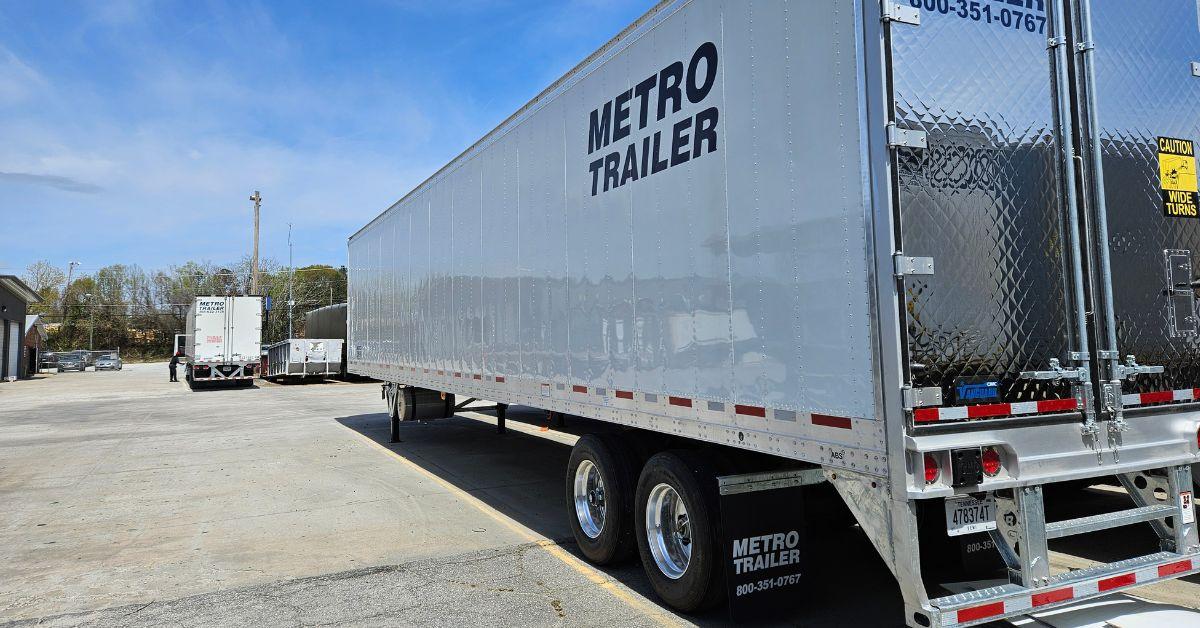
Fleet flexibility allows companies to respond quickly to changing shipping volumes and customer needs. When demand spikes or routes shift, a rigid fleet creates delays and missed opportunities. Flexible equipment solutions give operators the ability to scale without long-term risk. Many businesses turn to commercial trailer leasing to adjust capacity while maintaining financial control.
Leasing allows companies to preserve cash flow while keeping equipment aligned with current demand. It also reduces downtime by ensuring access to well-maintained trailers when businesses need them most. This flexibility supports seasonal fluctuations, unexpected contracts, and shifting freight patterns without requiring large capital commitments.
Companies that adapt their fleet strategies stay responsive and avoid overextending resources. This level of adaptability often separates growing operations from those that fall behind. It also gives decision-makers more confidence when pursuing new business opportunities.
Prioritizing Operational Efficiency Reduces Costs and Improves Margins
Efficient operations drive profitability in a competitive market. Every mile, delay, and idle asset affects the bottom line. Companies that streamline processes gain a measurable advantage and maintain stronger margins over time.
Route optimization reduces fuel consumption and shortens delivery times, while preventative maintenance helps avoid costly breakdowns and unexpected delays. Load planning improves trailer utilization, and effective driver scheduling minimizes downtime. Companies that regularly evaluate performance metrics can identify inefficiencies and correct them before they impact profitability.
Operational efficiency also supports better resource allocation. When teams understand where time and money get spent, they can redirect efforts toward high-value activities. This clarity helps companies stay lean while still meeting customer expectations.
Leveraging Technology Enhances Visibility and Decision-Making
Technology gives transportation companies better control over daily operations. Real-time tracking systems allow teams to monitor shipments and respond quickly to delays or disruptions. This level of visibility improves service reliability and strengthens customer confidence.
Data analytics also supports smarter decision-making. Companies can identify patterns, forecast demand, and adjust operations based on accurate information. Digital dashboards make it easier to track key performance indicators and measure success across departments.
Automation tools further improve efficiency by reducing manual tasks and minimizing errors. From dispatch systems to maintenance alerts, technology helps teams stay organized and proactive. Businesses that invest in modern tools position themselves to operate more efficiently and compete more effectively.
Building Strong Customer Relationships Drives Repeat Business
Customer loyalty plays a major role in long-term success within the transportation market. Reliable service and clear communication encourage long-term partnerships and consistent revenue streams. Companies that focus on relationship-building reduce the need for constant customer acquisition.
Consistent delivery performance sets expectations and builds trust over time. Transparent communication during delays shows accountability and professionalism, and quick response times and flexible solutions demonstrate a commitment to meeting customer needs. These factors create stronger partnerships and increase the likelihood of repeat business.
Strong relationships also provide valuable feedback, as customers often share insights about service gaps, delivery challenges, and evolving needs. Companies that listen and adapt based on this input can refine their offerings and stay aligned with market demand.
Expanding Service Offerings Increases Market Opportunities
Diversified services allow transportation companies to serve a wider range of industries and shipping requirements. Businesses that offer multiple trailer types or storage options can adapt to different operational demands without turning away potential customers.
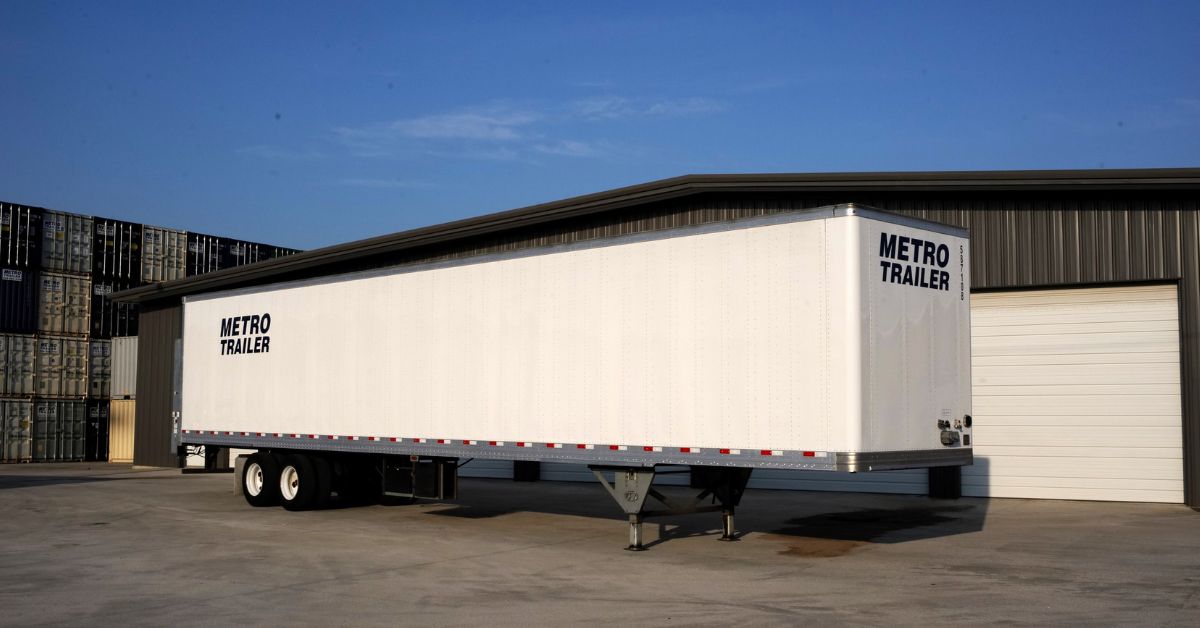
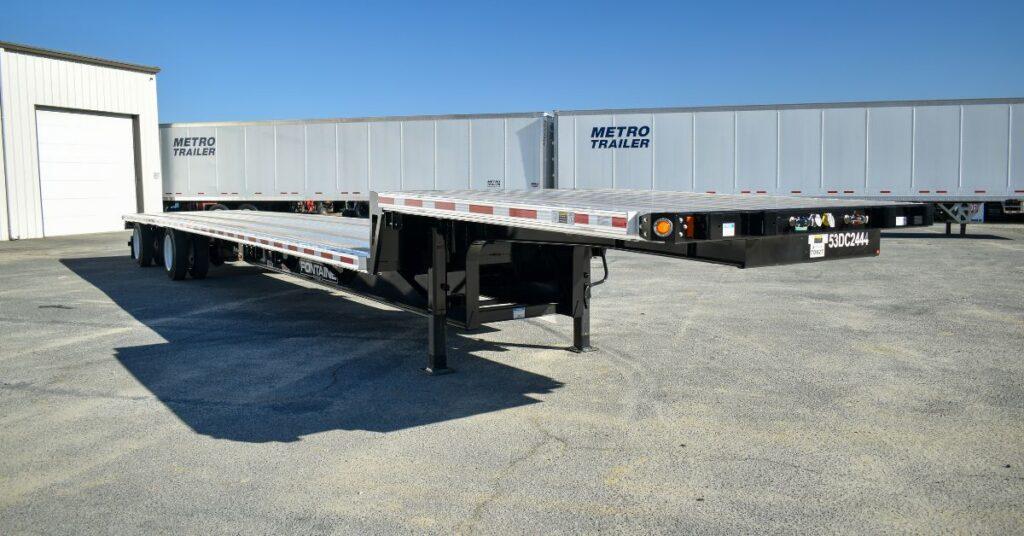
Metro Trailer Leasing, Inc. supports this need by offering dry vans, flatbeds, refrigerated trailers, and storage solutions for various applications. This level of versatility allows companies to source multiple solutions from a single provider, which simplifies logistics and improves efficiency. Expanding services strategically helps companies grow without overcomplicating operations.
Offering additional services also creates opportunities for cross-selling. When customers trust a provider, they often prefer to consolidate vendors. Companies that anticipate these needs can increase revenue while strengthening long-term partnerships.
Maintaining Equipment Quality Improves Reliability and Reputation
Equipment quality directly impacts service reliability and customer satisfaction. Poorly maintained trailers can lead to delays, damaged goods, and lost business opportunities. Companies that prioritize trailer maintenance protect both their reputation and their bottom line.
Regular inspections help identify issues before they become costly problems. Timely repairs keep equipment operating safely and efficiently. Updated trailers also improve driver confidence, which supports consistent performance on the road.
High-quality equipment can also reduce liability and compliance risks. Well-maintained fleets meet regulatory standards more consistently and allow companies to avoid penalties. Businesses that invest in equipment quality build a reputation for dependability that attracts long-term customers.
Adapting to Market Trends Keeps Businesses Relevant
The transportation market continues to evolve due to economic shifts, regulatory changes, and increasing customer expectations. Companies that stay informed can adjust their strategies before challenges arise. This proactive mindset helps businesses remain competitive in changing conditions.
Faster delivery expectations continue to influence logistics planning. Cost efficiency remains a top priority as fuel and operational expenses fluctuate. Data-driven logistics continues to shape decision-making, while transparency across the supply chain becomes more important.
Companies that stay ahead of these trends can position themselves as reliable partners in a demanding market. Adapting early allows businesses to refine processes and maintain service quality even as expectations rise.
Partnering With Reliable Providers Strengthens Operational Stability
Strong partnerships support consistent performance in transportation operations. Reliable equipment providers and service partners help companies reduce disruptions and maintain efficiency. Choosing the right partners creates stability and supports long-term growth.
Metro Trailer Leasing, Inc. provides dependable trailer solutions with nationwide availability and more than 25 years of industry experience. Our flexible rental and leasing options support fleets of all sizes and allow businesses to adapt to changing demands.
Reliable partners also offer guidance and industry knowledge. This support helps companies make informed decisions about equipment, scaling, and operational planning. Working with experienced providers allows companies to focus on core operations with confidence.
Staying Competitive Requires Consistent Action and Smart Decisions
Transportation companies face ongoing pressure to deliver faster, operate efficiently, and control costs. Businesses that take a proactive approach stand out in a crowded market. Combining flexibility, efficiency, and strong customer relationships creates a solid foundation for growth.
Companies that commit to continuous improvement often see the strongest results. Regular evaluations, strategic investments, and a willingness to adapt help businesses maintain momentum. Consistency in execution remains one of the most important factors in long-term success.
Work With a Trusted Trailer Leasing Partner
If your business needs flexible solutions to stay competitive in the transportation market, Metro Trailer Leasing, Inc. offers dependable options nationwide. Our team can help you scale your fleet, reduce downtime, and meet changing demand with confidence. Contact Metro Trailer Leasing today to find the right trailer solution for your operation.