

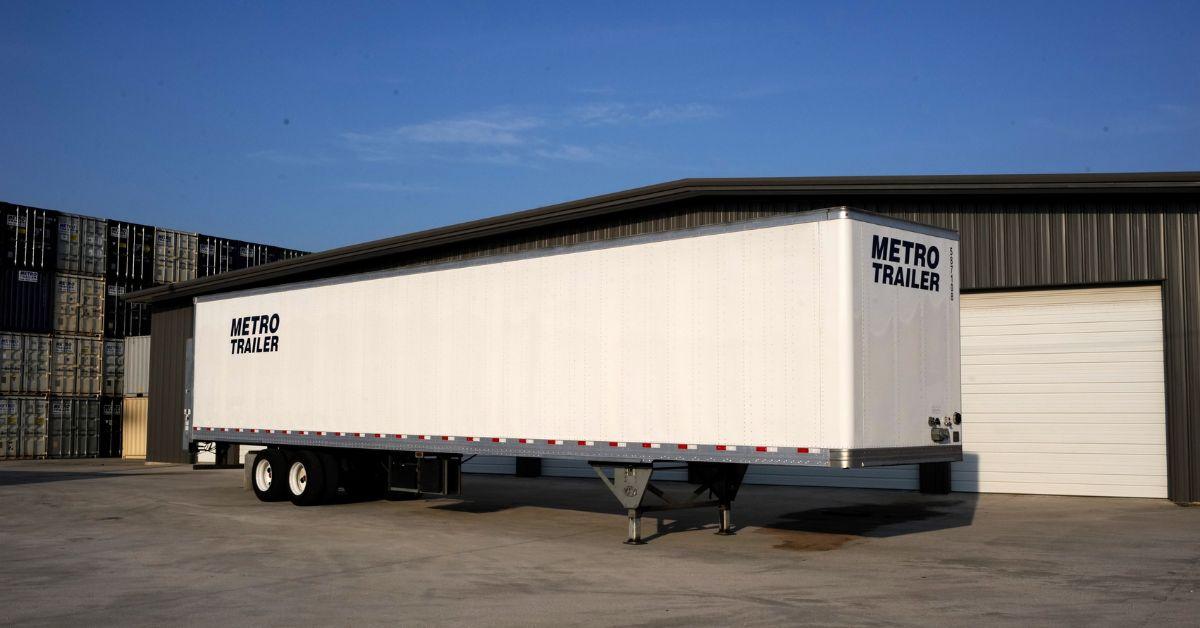
Tips for Achieving Secure Cargo in Your Dry Van Rental
Cargo security can make or break a shipment. When freight shifts, slides, tips, or collapses, it creates a mess that leads to delays, claims, safety hazards, and damaged customer relationships. Dry vans offer strong protection from weather and road debris, but they do not automatically protect cargo from movement inside the trailer.
To achieve secure cargo in your dry van rental, you need a plan that starts before loading and continues until the van doors open at the destination. With the right habits and equipment, you can keep freight stable, prevent damage, and reduce risk through every mile.
Start With the Right Load Plan
Secure cargo starts with thinking about every acceleration, stop, curve, and lane change that applies force to your load. If you load cargo without a plan, the freight will respond to those forces by shifting to the weakest point.
Before you begin, confirm freight characteristics such as weight, stackability, packaging strength, and center of gravity concerns, then build a load plan that supports the freight from the floor up. Put the heaviest pallets on the bottom, place heavier items toward the nose of the trailer, and spread the weight evenly across the floor and side-to-side so the trailer stays balanced. Avoid leaving large gaps between pallets because open space invites movement.
Inspect the Dry Van Interior
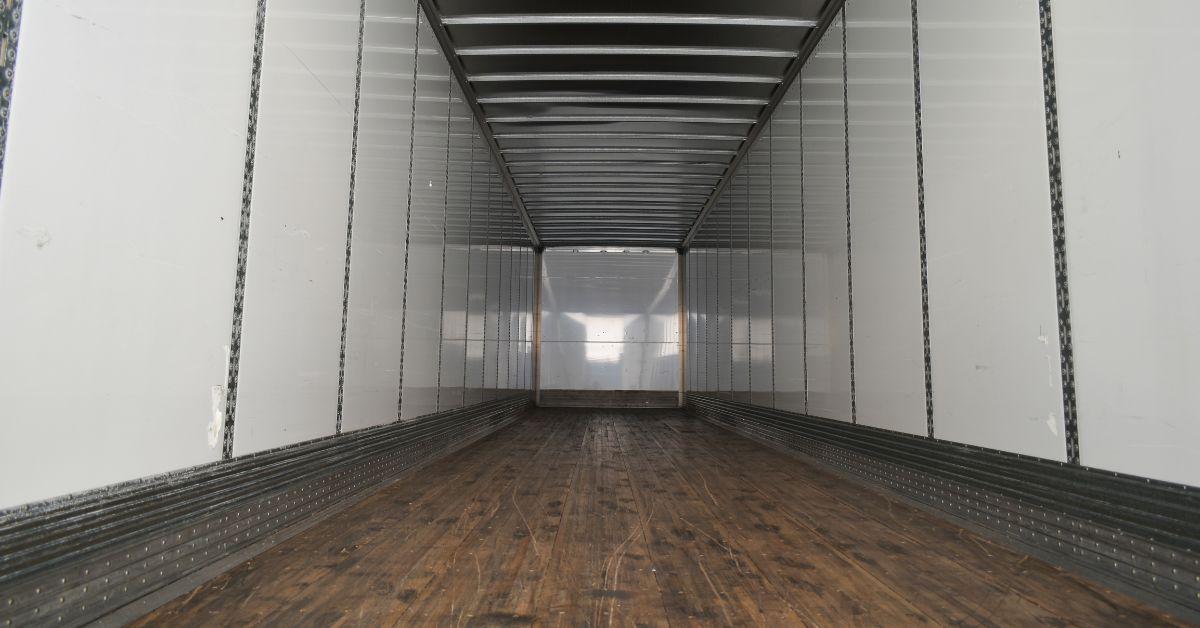
A clean, intact trailer supports secure cargo, while a damaged trailer creates weak points that lead to load failures. Before loading any items, inspect the rental’s flooring for soft spots, broken boards, and slick residue. Check the walls and interior lining for punctures, dents, or exposed fasteners that can tear packaging.
Confirm E-track or logistic posts remain secure and usable, and verify door seals and locks are functioning properly so you can protect freight from moisture and tampering. Finally, remove any present debris and confirm the trailer fits the freight type, especially if you haul goods that are sensitive to odor exposure or contamination.
If you see damage that affects load securement, be sure to find another trailer option. Otherwise, you risk product loss and liability.
Load Cargo Tightly To Eliminate Movement Space
The simplest way to keep cargo secure involves removing space. Freight shifts because it has room to move, but a tight load resists movement even before you add straps, bars, or airbags.
Build a solid front wall of pallets near the trailer’s nose, keep pallets flush together, and square off rows so the load forms a stable block. Align pallet direction to reduce weak edges and overhang, and avoid leaving open lanes that allow pallets to drift during braking.
If you must leave space due to mixed freight or partial loads, do your best to control it intentionally. Use dunnage, load bars, or airbags to fill voids and hold freight in place. You also need to think vertically—stacked freight requires stable layers, so do not place fragile cartons under heavier products. If you stack pallets, confirm that the bottom pallet can support the weight without bowing.
Use the Right Securement Tools for Dry Van Freight
Dry vans support many securement methods, and the best approach depends on what you haul. You do not need excessive equipment, just the correct tools and proper placement.
Use securement tools to stop forward freight movement during braking, side movement during turns, and rear movement during acceleration or incline changes. Choose your method based on cargo type, trailer features, and the amount of open space you must manage.
Here is a practical set of securement options for dry van cargo:
- Load bars for bracing pallet rows and stopping rear movement
- Straps with winches or ratchets for anchoring heavy or irregular freight to E-track
- Dunnage airbags for filling voids and stabilizing mixed loads
- Friction mats for reducing sliding, especially with plastic pallets or smooth packaging
- Corner boards and edge protectors for preventing strap damage and protecting cartons
- Bracing lumber for blocking heavy machinery or freight with odd geometry
Balance Weight To Prevent Shifting
Even if you secure cargo correctly, poor weight distribution can still cause trouble. An unbalanced trailer increases sway, braking distance, and tire stress. It also increases the chance of freight leaning or sliding when the trailer flexes. Aim for even weight distribution across axles and side walls, place heavier pallets over or slightly ahead of the trailer axles when possible, and avoid loading all heavy freight on one side.
Watch for false stability; a load can look level while it hides uneven weight distribution. One row of heavy pallets on the same side can create a subtle lean that grows into a handling problem on curves, especially when the driver needs to brake or maneuver quickly.
Protect Fragile Freight With Smart Bracing and Packaging Support
Some freight fails even with tight loading because it cannot handle pressure or vibration. In these cases, you need to support the packaging so it survives road conditions. For fragile cargo, distribute strap pressure with edge protectors, separate layers to reduce abrasion, and avoid direct contact between incompatible freight types, such as metal components next to boxed goods. Brace tall, narrow pallets so they cannot tip during turns or lane changes.
You also need to control vibration damage. Long-distance hauls can loosen stretch wrap and weaken cartons. Be sure to reinforce pallet wrap when needed, especially on lightweight goods.
Confirm Cargo Security With Final Checks Before Departure
Achieving secure cargo in your dry van rental requires a final verification step. Many load issues happen because teams rush during the last 10 minutes of loading. Before you close the doors, push against key pallets to test movement. Confirm bars sit tight and level, check straps for proper tension and safe angles, and verify airbags sit centered and inflated to the correct firmness. Look for sharp edges that could cut straps or packaging, and ensure freight does not block door closure or press against the doors.
After the first few miles, stop and recheck the trailer if the load type calls for it. Freight can settle as the trailer moves, which means a quick inspection early in the trip can prevent a much bigger issue later.
Keep Secure Cargo Consistent With Repeatable Habits
Cargo security improves when you standardize your process. Every shipment should follow the same core steps: inspect, plan, load tightly, secure intentionally, and verify. When you treat your dry van trailer rental like a controlled environment—and you treat every gap, weak pallet, and loose strap as a risk—you protect the freight, the driver, and the delivery schedule.