

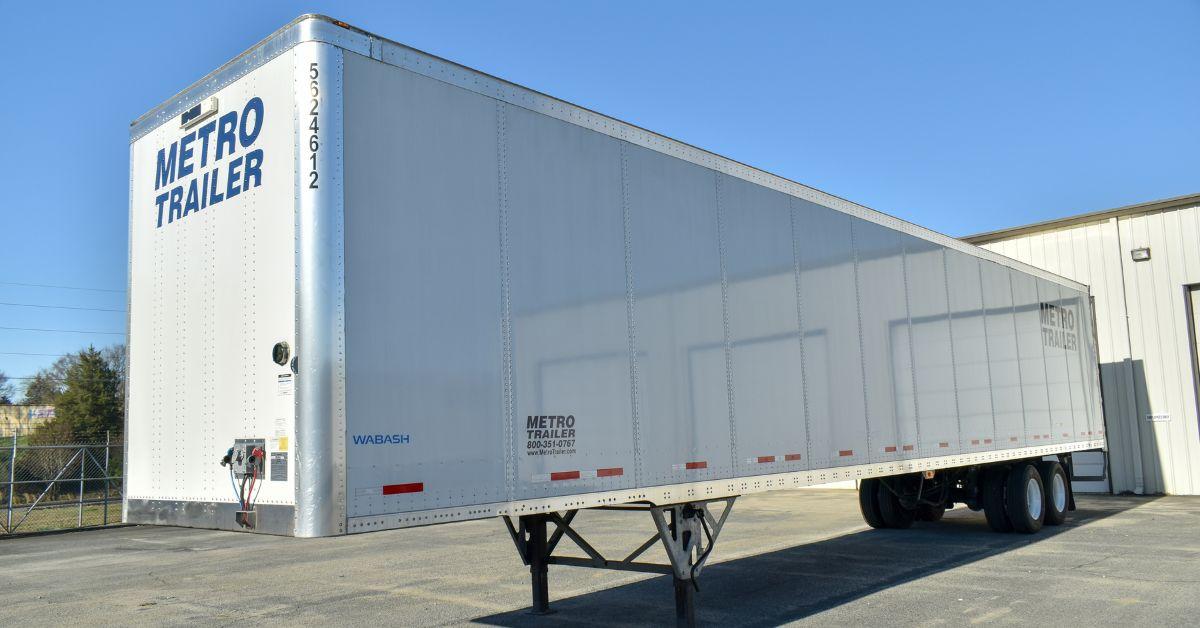
The Evolution of Trailers: From Basic Haulers to Modern Rigs
Trailers have come a long way from their early days as simple, horse-drawn carts. What started as basic necessities for local transport transformed into high-tech engineering marvels capable of transporting sensitive goods across continents. This progression did not happen overnight. It was driven by the changing needs of industries, advancements in materials science, and the relentless pursuit of efficiency.
Understanding the evolution of trailers from basic haulers to modern rigs helps us appreciate the complexity of modern logistics. It also sheds light on where the industry is heading next.
The Early Days: From Horse-Drawn Wagons to the First Semi-Trailer
The earliest trailers were essentially modified wagons pulled by horses or oxen. These wooden carts were the backbone of local trade, but they had significant limitations. They were heavy, difficult to maneuver, and could not handle large loads over long distances. As the Industrial Revolution picked up speed, the need for a more efficient way to move goods became undeniable.
The true game-changer arrived in the early 20th century. While several inventors tinkered with designs, Alexander Winton is widely credited with inventing the first semi-trailer in Cleveland, Ohio, around 1898. Winton, a car manufacturer, needed a way to transport his automobiles to customers without driving them and adding mileage. He created a cart that hooked onto the back of a modified truck, effectively starting the modern trucking industry.
The Mid-Century Boom: Standardization and the Interstate Highway System
The decades following World War II marked a golden age for the trucking industry. The most significant catalyst was the development of the US Interstate Highway System in the 1950s. Suddenly, trucks could travel coast-to-coast with relative ease, opening up new markets and creating a demand for larger, more durable trailers.
During this era, we saw a shift away from wood and heavy steel toward lighter, stronger materials like aluminum. Aluminum allowed manufacturers to reduce the trailers’ weight, which meant trucking companies could haul more cargo without exceeding weight limits. This was a crucial development for profitability.
Another major milestone during this period was the idea of using shipping containers, which could move seamlessly from ships to trains to truck trailers. This required trailers to be built to specific, standardized dimensions. The introduction of the intermodal chassis meant that goods no longer needed to be manually unloaded and reloaded at every transfer point. This era cemented the trailer’s role as a vital link in the global supply chain, proving that standardization was key to scaling operations.
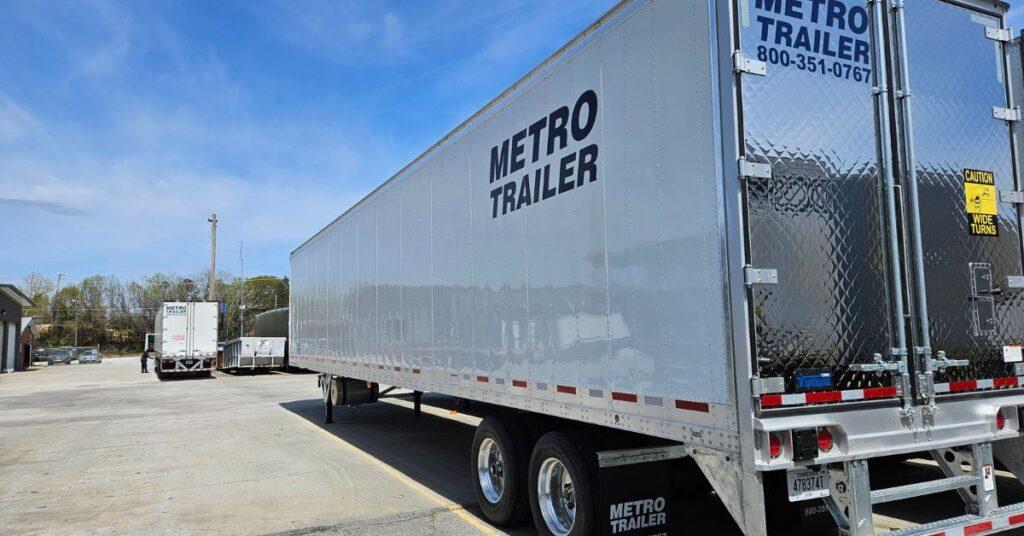
Specialized Designs: Adapting to Diverse Industry Needs
As industries expanded, a one-size-fits-all approach to trailers became insufficient. This necessity for diversification drove a wave of specialization in trailer design that continues today. Engineers began developing specific trailer types to handle unique challenges, ensuring that almost any commodity could be transported safely.
We saw the rise of the refrigerated trailer, which changed the food industry forever. Before these trailers, transporting perishable goods over long distances was a gamble. With temperature-controlled units, farmers in California could ship fresh produce to New York without spoilage. Similarly, the flatbed trailer evolved into various subtypes, such as drop decks and lowboys, designed to carry tall or oversized equipment that wouldn’t fit inside a standard box.
The diversification of trailer types allowed businesses to optimize their logistics. Instead of forcing cargo into generic containers, companies could now select equipment tailored specifically to their freight.
The Impact of Aerodynamics on Modern Trailer Efficiency
In recent decades, the focus of trailer evolution has shifted toward efficiency and fuel economy. As fuel prices rose and environmental regulations tightened, the shape of the trailer became just as important as its capacity. Engineers realized that the boxy shape of a standard trailer was an aerodynamic challenge.
To combat this, manufacturers began introducing aerodynamic add-ons like side skirts, tail wings, gap reducers, and nose cones. These innovations might look like simple plastic attachments, but their impact is substantial, improving fuel efficiency by significant margins. For a fleet running thousands of miles a week, this translates to massive cost savings and a reduced carbon footprint.
The Digital Revolution: Smart Trailers and Telematics
The most recent leap in trailer evolution is about data, and we have entered the era of the smart trailer. Telematics technology has transformed trailers into intelligent assets that communicate real-time data back to fleet managers.
Sensors embedded in modern trailers can track a wide array of metrics. They monitor tire pressure, ensuring a blowout doesn’t cause a delay or accident. They track door openings, providing security alerts if cargo is accessed in an unauthorized location. For refrigerated units, sensors provide continuous temperature logs, proving that the cold chain was maintained throughout the journey.
This connectivity helps a trailer leasing company or fleet manager maximize utilization. Instead of wondering where a trailer is or if it is empty, GPS tracking provides instant visibility. The integration of technology also means that maintenance can be predictive rather than reactive, fixing issues before they lead to a breakdown on the side of the road.

Sustainability and the Future of Trailer Materials
Looking ahead, the evolution of trailers is pivoting toward sustainability. As the transportation sector faces increasing pressure to reduce emissions, trailer manufacturers are exploring new materials and manufacturing techniques. The goal is to build trailers that are lighter, longer lasting, and easier to recycle at the end of their lifespan.
Composite materials are gaining traction. Unlike traditional steel or even aluminum, composites resist corrosion and can withstand harsh weather conditions without degrading. A trailer that doesn’t rust lasts longer, reducing the need for replacement and the resources required to build a new one. Furthermore, lighter composite trailers allow for heavier payloads, meaning fewer trips are needed to move the same amount of goods.
How Leasing Accelerated Trailer Innovation
We can’t discuss the evolution of trailers from basic haulers to modern rigs without acknowledging the business models that supported it. In the past, companies mostly owned their equipment outright. However, as trailers became more specialized and technology moved faster, ownership became less appealing.
Leasing emerged as a vital solution that allowed fleets to modernize faster. By working with a leasing partner, trucking companies gained access to the latest equipment without the massive capital expenditure. This flexibility allowed carriers to better adapt to market swings.
This shift toward leasing effectively accelerated innovation. Because leasing companies constantly refresh their fleets, manufacturers were incentivized to keep improving their designs. It created a cycle where new technology reached the road faster. Today, having the flexibility to upgrade to the newest, most efficient trailers is a competitive advantage, ensuring that businesses are never held back by outdated equipment.